
Advantages of Using Pneumatic Glass Lifters for Workplace Safety
Advantages of Using Pneumatic Glass Lifters for Workplace Safety
In today’s fast-paced and demanding work environments, ensuring the safety of employees is of utmost importance. One area where workplace injuries are all too common is in the handling of heavy and fragile materials, such as glass. The use of pneumatic glass lifters has emerged as a valuable solution to reduce workplace injuries and improve overall safety.
One of the key advantages of using pneumatic glass lifters is their ability to minimize the physical strain on workers. Traditional methods of lifting and moving heavy glass panels often involve manual labor, which can lead to musculoskeletal injuries. Pneumatic glass lifters, on the other hand, utilize air pressure to lift and transport glass, significantly reducing the physical effort required. This not only protects workers from potential injuries but also allows them to work more efficiently and comfortably.
Furthermore, pneumatic glass lifters offer a high level of precision and control during the lifting process. Glass panels are notoriously fragile and can easily break if mishandled. With pneumatic lifters, operators have the ability to adjust the lifting force and suction power, ensuring a secure grip on the glass without causing any damage. This level of control not only protects the glass from potential breakage but also minimizes the risk of accidents and injuries caused by falling or slipping glass panels.
Another advantage of pneumatic glass lifters is their versatility in handling different types and sizes of glass. Whether it’s large windows, delicate mirrors, or heavy glass doors, these lifters can be easily adjusted to accommodate various shapes and weights. This eliminates the need for multiple lifting devices and reduces the risk of using improper equipment, which can lead to accidents and injuries. By providing a single solution for all glass handling needs, pneumatic lifters streamline operations and enhance workplace safety.
Additionally, pneumatic glass lifters are designed with safety features that further protect workers. Many models are equipped with audible and visual alarms to alert operators of any potential issues, such as low air pressure or a weak grip on the glass. These warnings allow for immediate action to be taken, preventing accidents and injuries. Furthermore, some lifters are equipped with automatic release mechanisms that ensure a controlled and safe release of the glass once it has been lifted to its desired location. These safety features provide peace of mind to both operators and employers, knowing that every precaution has been taken to protect workers.
In conclusion, the advantages of using pneumatic glass lifters for workplace safety are numerous. From reducing physical strain on workers to providing precise control and versatility in handling glass, these lifters offer a comprehensive solution to minimize the risk of accidents and injuries. With their safety features and ability to streamline operations, pneumatic glass lifters are an invaluable tool in ensuring the well-being of employees in industries that deal with heavy and fragile materials. By investing in these lifters, employers can create a safer work environment and protect their most valuable asset – their employees.
How Pneumatic Glass Lifters Improve Efficiency and Reduce Workplace Injuries
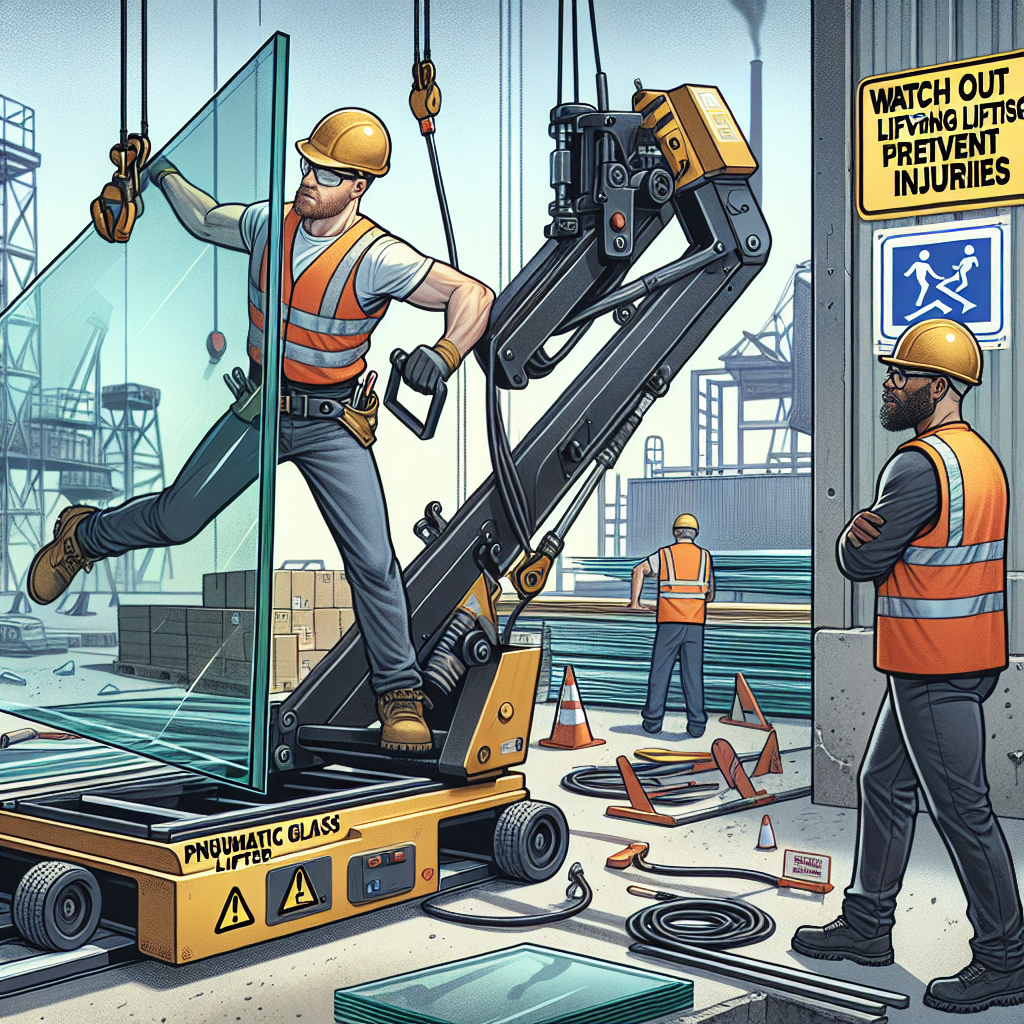
The use of pneumatic glass lifters in the workplace has become increasingly popular in recent years, and for good reason. These innovative devices have proven to be highly effective in improving efficiency and reducing workplace injuries. In this article, we will explore the various ways in which pneumatic glass lifters contribute to a safer and more productive work environment.
One of the key advantages of pneumatic glass lifters is their ability to handle heavy loads with ease. Traditional methods of lifting and moving glass panels often involve manual labor, which can be physically demanding and increase the risk of injuries. Pneumatic glass lifters, on the other hand, utilize air pressure to lift and transport glass panels, eliminating the need for manual lifting. This not only reduces the strain on workers’ bodies but also minimizes the chances of accidents occurring due to mishandling.
Furthermore, pneumatic glass lifters are designed to provide a secure grip on glass panels, ensuring that they remain stable during transportation. This is particularly important when working with fragile materials such as glass, as any sudden movements or shifts can result in breakage and potential injuries. By securely holding the glass panels in place, pneumatic glass lifters significantly reduce the risk of accidents and damage, thereby improving workplace safety.
In addition to their safety benefits, pneumatic glass lifters also enhance efficiency in the workplace. These devices are equipped with advanced features that allow for precise positioning and maneuverability. This means that workers can easily lift, rotate, and place glass panels exactly where they need to be, without wasting time or effort. The speed and accuracy provided by pneumatic glass lifters not only streamline the workflow but also reduce the likelihood of errors or delays, ultimately improving overall productivity.
Moreover, pneumatic glass lifters are versatile tools that can be used in a variety of settings. Whether it’s a construction site, a manufacturing facility, or a glazing company, these devices can adapt to different environments and handle various types of glass panels. This versatility makes them a valuable asset for businesses in the glass industry, as they can be utilized for a wide range of tasks, from installing windows to assembling glass partitions. By investing in pneumatic glass lifters, companies can optimize their operations and achieve greater efficiency across different projects.
In conclusion, pneumatic glass lifters play a crucial role in reducing workplace injuries and improving efficiency. By eliminating the need for manual lifting and providing a secure grip on glass panels, these devices significantly reduce the risk of accidents and damage. Additionally, their advanced features and versatility enhance productivity and streamline workflow. As the demand for safer and more efficient work practices continues to grow, pneumatic glass lifters have emerged as a valuable solution for businesses in the glass industry. By incorporating these innovative devices into their operations, companies can create a safer work environment while maximizing productivity and profitability.
The Importance of Proper Training and Maintenance for Pneumatic Glass Lifters in Preventing Workplace Injuries
The use of pneumatic glass lifters in the workplace has become increasingly common in recent years. These devices are designed to lift and transport heavy glass panels, reducing the risk of injury to workers. However, it is important to recognize that the proper training and maintenance of these lifters is crucial in preventing workplace injuries.
One of the key factors in preventing workplace injuries is ensuring that workers are properly trained in the use of pneumatic glass lifters. These devices can be complex and require a certain level of skill to operate safely. Without proper training, workers may not be aware of the potential hazards associated with using these lifters, and may not know how to properly secure and transport glass panels.
Training should include instruction on how to properly inspect and maintain the lifters. Regular maintenance is essential to ensure that the lifters are in good working order and that all safety features are functioning correctly. This includes checking for any signs of wear or damage, as well as ensuring that all bolts and fasteners are tightened properly. By conducting regular inspections and maintenance, potential issues can be identified and addressed before they become a safety hazard.
In addition to training and maintenance, it is also important to establish clear guidelines and procedures for the use of pneumatic glass lifters. This includes establishing weight limits for the lifters, as well as guidelines for the proper positioning and securing of glass panels. By clearly outlining these procedures, workers can ensure that they are using the lifters in a safe and effective manner.
Another important aspect of preventing workplace injuries is the regular inspection of the lifters. This should be done by a qualified professional who is familiar with the specific make and model of the lifters. During these inspections, the professional should check for any signs of wear or damage, as well as ensure that all safety features are functioning correctly. Any issues that are identified should be addressed immediately to prevent potential accidents or injuries.
It is also important to note that the responsibility for the safe use of pneumatic glass lifters does not solely rest with the workers. Employers have a duty to provide a safe working environment, which includes ensuring that workers are properly trained and that the necessary maintenance and inspections are carried out. Employers should also provide workers with the necessary personal protective equipment, such as gloves and safety glasses, to further reduce the risk of injury.
In conclusion, the proper training and maintenance of pneumatic glass lifters is crucial in preventing workplace injuries. Workers should be properly trained in the use of these devices and should be aware of the potential hazards associated with their use. Regular maintenance and inspections should be conducted to ensure that the lifters are in good working order and that all safety features are functioning correctly. By following these guidelines, employers can help to reduce the risk of workplace injuries and create a safer working environment for their employees.