
Proper Handling Techniques for Vacuum Glass Lifters
Proper Handling Techniques for Vacuum Glass Lifters
Vacuum glass lifters, also known as vacuum glass suckers, are essential tools used in the construction and glass industry. These devices are designed to lift and transport heavy glass panels, making the installation process much easier and safer. However, operating a vacuum glass lifter requires proper handling techniques to ensure the safety of both the operator and the glass being lifted.
First and foremost, it is crucial to thoroughly inspect the vacuum glass lifter before use. Check for any signs of damage or wear and tear, such as cracks in the suction cups or loose connections. Any defects should be addressed immediately to prevent accidents or equipment failure during operation. Additionally, ensure that the lifter is clean and free from any debris that could interfere with its functionality.
Before attaching the vacuum glass lifter to the glass panel, it is essential to assess the weight and dimensions of the glass. This information will help determine the appropriate lifter capacity and ensure that the lifter is capable of safely handling the load. It is crucial never to exceed the maximum weight capacity specified by the manufacturer, as doing so can lead to equipment failure and potential injuries.
When attaching the vacuum glass lifter to the glass panel, it is important to position the suction cups correctly. The suction cups should be placed evenly across the glass surface, ensuring that they are securely attached. It is advisable to use a minimum of four suction cups to distribute the weight evenly and provide stability during lifting. Additionally, make sure that the suction cups are clean and free from any dirt or debris that could compromise their ability to create a strong vacuum seal.
Once the vacuum glass lifter is attached to the glass panel, it is crucial to test the suction before lifting. Engage the vacuum pump and ensure that the suction cups firmly adhere to the glass surface. Gently tug on the lifter to confirm that it is securely attached. If any movement or loss of suction is detected, immediately stop the operation and reposition the suction cups or address any issues that may be causing the problem.
When lifting the glass panel, it is important to maintain a steady and controlled motion. Avoid sudden movements or jerking, as this can cause the glass to shift or break. Use the lifter’s controls to raise or lower the glass panel smoothly and at a controlled speed. It is also crucial to be aware of any obstacles or hazards in the surrounding area and navigate accordingly to prevent accidents.
During transportation, it is essential to keep a firm grip on the lifter’s handles and maintain a stable posture. Avoid twisting or bending while carrying the glass panel, as this can strain your back and increase the risk of dropping the load. If necessary, use additional personnel to assist in maneuvering the glass safely.
In conclusion, operating a vacuum glass lifter requires proper handling techniques to ensure the safety of both the operator and the glass being lifted. Thoroughly inspect the lifter before use, assess the weight and dimensions of the glass, position the suction cups correctly, test the suction before lifting, maintain a steady and controlled motion, and use proper posture during transportation. By following these guidelines, operators can safely and efficiently handle glass panels using vacuum glass lifters.
Essential Safety Precautions for Operating a Vacuum Glass Lifter Sucker
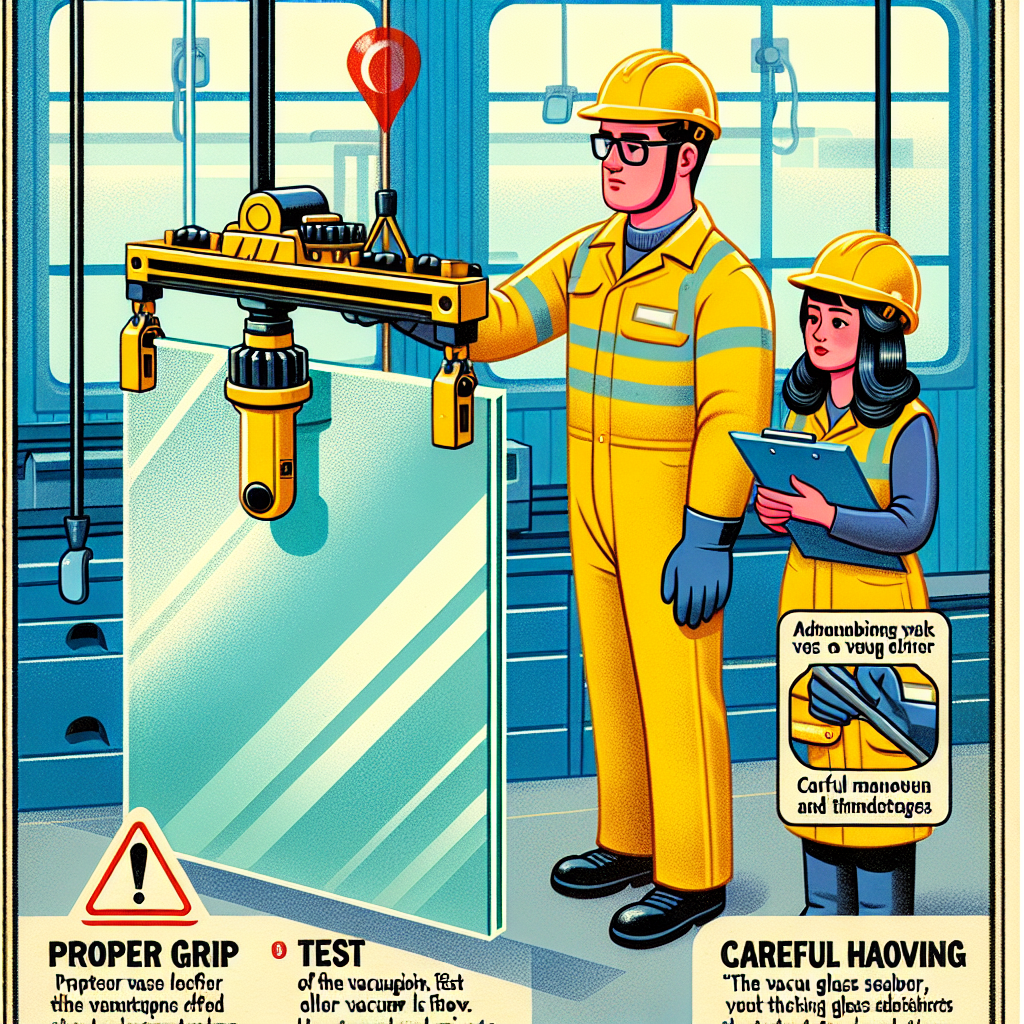
Operating a vacuum glass lifter sucker can be a daunting task, especially if you are not familiar with the necessary safety precautions. However, by following a few essential guidelines, you can ensure that you operate the equipment safely and efficiently.
First and foremost, it is crucial to wear the appropriate personal protective equipment (PPE) when operating a vacuum glass lifter sucker. This includes safety goggles, gloves, and steel-toed boots. Safety goggles will protect your eyes from any debris or glass shards that may be released during the lifting process. Gloves will provide a secure grip on the lifter sucker, reducing the risk of accidents. Steel-toed boots are essential to protect your feet from any potential hazards on the worksite.
Before operating the vacuum glass lifter sucker, it is essential to inspect the equipment thoroughly. Check for any signs of damage or wear and tear. Ensure that all the components, such as the vacuum pads and suction cups, are in good condition and securely attached. Any damaged or faulty parts should be replaced immediately to prevent accidents or equipment failure during operation.
Another crucial safety precaution is to assess the weight and condition of the glass you are about to lift. It is essential to know the weight capacity of your vacuum glass lifter sucker and ensure that the glass you are lifting falls within that range. Attempting to lift glass that exceeds the lifter sucker’s capacity can lead to equipment failure and potential injuries. Additionally, inspect the glass for any cracks, chips, or other defects that may compromise its integrity. Lifting damaged glass can be hazardous and may result in breakage during the lifting process.
When operating the vacuum glass lifter sucker, it is important to maintain a stable and secure footing. Ensure that the surface you are standing on is clean, dry, and free from any obstacles. This will prevent slips, trips, and falls while operating the equipment. Additionally, be mindful of your body position and posture. Keep your back straight and use your legs to lift and lower the glass. Avoid twisting or bending at the waist, as this can strain your back and increase the risk of injury.
Furthermore, it is crucial to communicate effectively with your team members when operating a vacuum glass lifter sucker. Establish clear signals and instructions to ensure smooth coordination during the lifting process. This will help prevent accidents and ensure that everyone is aware of their roles and responsibilities.
Lastly, always follow the manufacturer’s instructions and guidelines for operating the vacuum glass lifter sucker. Familiarize yourself with the equipment’s features, controls, and safety mechanisms. This will ensure that you are using the lifter sucker correctly and minimize the risk of accidents or equipment malfunction.
In conclusion, operating a vacuum glass lifter sucker safely requires adherence to essential safety precautions. Wearing the appropriate PPE, inspecting the equipment and glass, maintaining a stable footing, communicating effectively, and following manufacturer’s instructions are all crucial steps to ensure safe and efficient operation. By prioritizing safety and taking these precautions, you can confidently operate a vacuum glass lifter sucker and minimize the risk of accidents or injuries.
Maintenance and Inspection Tips for Vacuum Glass Lifters
How to Safely Operate a Vacuum Glass Lifter Sucker
Vacuum glass lifters, also known as vacuum glass suckers, are essential tools used in the construction and glass industry. These devices are designed to lift and transport heavy glass panels, making the installation process much easier and safer. However, it is crucial to operate these machines correctly to ensure the safety of both the operator and the glass being lifted.
Before operating a vacuum glass lifter sucker, it is essential to conduct a thorough inspection of the equipment. Start by checking the suction cups for any signs of wear or damage. If any cracks or tears are found, the cups must be replaced immediately to prevent accidents during operation. Additionally, inspect the vacuum pump and hoses for any leaks or loose connections. A faulty vacuum pump can result in a loss of suction, leading to potential accidents.
Once the inspection is complete, it is time to prepare the glass surface for lifting. Ensure that the glass is clean and free from any debris or contaminants that could affect the suction. It is also crucial to check the weight of the glass panel and compare it to the lifting capacity of the vacuum glass lifter sucker. Exceeding the lifting capacity can lead to equipment failure and accidents, so it is vital to adhere to the manufacturer’s guidelines.
When operating the vacuum glass lifter sucker, it is essential to follow proper lifting techniques. Start by positioning the suction cups evenly on the glass surface, ensuring that they are securely attached. Activate the vacuum pump and allow it to create a strong suction before attempting to lift the glass. It is crucial to monitor the vacuum gauge throughout the lifting process to ensure that the suction remains strong.
During the lifting process, it is important to maintain a steady and controlled movement. Sudden jerks or movements can cause the glass to shift or fall, resulting in damage or injury. It is advisable to have a second person assist in guiding the glass panel during the lifting process, especially if it is large or heavy. Communication between the operator and the assistant is crucial to ensure a smooth and safe operation.
Once the glass panel is in the desired position, it is important to release the suction cups carefully. Start by slowly releasing the vacuum pressure to ensure a gradual release of the glass. Avoid pulling or yanking the glass away from the suction cups, as this can cause the glass to break or shatter. Once the suction cups are detached, carefully lower the glass panel to its final position.
After each use, it is important to clean and inspect the vacuum glass lifter sucker. Remove any debris or dirt from the suction cups and ensure that they are in good condition. Inspect the vacuum pump and hoses for any signs of wear or damage. Regular maintenance and inspection of the equipment will help prolong its lifespan and ensure safe operation.
In conclusion, operating a vacuum glass lifter sucker requires careful preparation, proper lifting techniques, and regular maintenance. By following these guidelines, operators can ensure the safety of themselves and the glass being lifted. Remember to conduct a thorough inspection before each use, adhere to the lifting capacity guidelines, and maintain a steady and controlled movement during operation. With these precautions in place, vacuum glass lifters can be valuable tools in the construction and glass industry.