
Proper Handling Techniques for Moving Large Glass Panels with a Vacuum Glass Lifter
Moving large glass panels can be a challenging task, especially when it comes to ensuring their safety and preventing any damage. One effective tool that can make this process easier and safer is a vacuum glass lifter. In this article, we will discuss the proper handling techniques for moving large glass panels with a vacuum glass lifter.
First and foremost, it is crucial to choose the right vacuum glass lifter for the job. Different lifters have varying weight capacities, so it is essential to select one that can handle the weight of the glass panel you are moving. Additionally, ensure that the lifter has a reliable vacuum system that can securely hold the glass in place.
Before attempting to move the glass panel, it is important to inspect it for any cracks, chips, or other damage. Moving a damaged glass panel can lead to further breakage and potential injuries. If any damage is detected, it is best to replace the glass before attempting to move it.
Once you have selected the appropriate vacuum glass lifter and inspected the glass panel, it is time to prepare for the move. Clear the area of any obstacles or debris that could hinder the lifting process. It is also advisable to have a team of trained professionals to assist with the move, as large glass panels can be heavy and require multiple people to handle them safely.
When using a vacuum glass lifter, it is crucial to ensure that the lifter’s vacuum system is functioning correctly. Test the lifter on a small, inconspicuous area of the glass panel to ensure that it securely attaches. If the lifter does not hold the glass firmly, do not proceed with the move and seek professional assistance.
Once the lifter is securely attached to the glass panel, it is time to lift it. It is important to lift the glass slowly and steadily to prevent any sudden movements that could cause the glass to shift or break. Communicate with your team members to ensure that everyone is ready and prepared for the lift.
As you lift the glass panel, be mindful of its weight distribution. Large glass panels can be top-heavy, so it is crucial to maintain a balanced lift to prevent the glass from tipping or falling. Keep a firm grip on the lifter’s handle and use your body’s strength to support the weight of the glass.
When moving the glass panel, it is important to avoid any sudden turns or jerky movements. Smooth and controlled motions are key to preventing any accidents or damage. If you need to change directions, do so gradually and communicate with your team members to ensure a coordinated movement.
Once the glass panel has been safely transported to its desired location, it is time to carefully release it from the vacuum glass lifter. Slowly lower the glass panel onto a secure surface, ensuring that it is stable and supported. Once the lifter is detached, inspect the glass panel once again for any signs of damage.
In conclusion, moving large glass panels with a vacuum glass lifter can be a safe and efficient process if proper handling techniques are followed. Selecting the right lifter, inspecting the glass panel, preparing the area, and using smooth and controlled movements are all essential steps in ensuring the safety of the glass and the individuals involved in the move. By following these guidelines, you can successfully move large glass panels with a vacuum glass lifter.
Safety Precautions to Consider When Using a Vacuum Glass Lifter for Moving Large Glass Panels
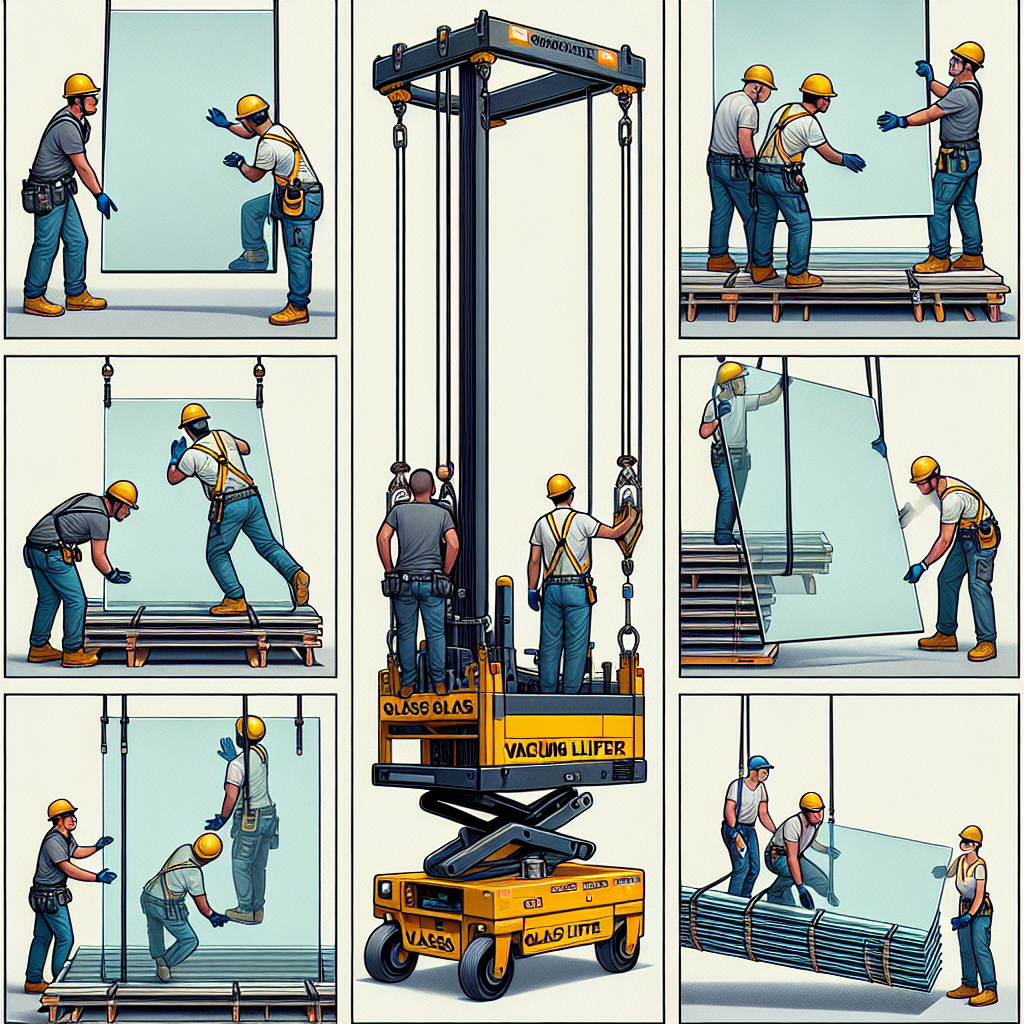
Moving large glass panels can be a challenging task, but with the right equipment and safety precautions, it can be done safely and efficiently. One tool that is commonly used for this purpose is a vacuum glass lifter. This device uses suction cups to securely grip the glass and lift it without causing any damage. However, it is important to follow certain safety precautions when using a vacuum glass lifter to ensure the safety of both the operator and the glass panels.
First and foremost, it is crucial to inspect the vacuum glass lifter before each use. Check for any signs of damage or wear and tear, such as cracks in the suction cups or loose parts. If any issues are found, the lifter should not be used until it has been repaired or replaced. Additionally, make sure that the lifter is properly maintained and cleaned to ensure optimal performance.
Before attempting to lift a glass panel, it is important to assess the weight and size of the panel to determine if the vacuum glass lifter is suitable for the job. Each lifter has a maximum weight capacity, so exceeding this limit can result in accidents or damage to the lifter. It is also important to consider the size and shape of the glass panel. If it is too large or irregularly shaped, it may be necessary to use additional lifting equipment or seek professional assistance.
When using a vacuum glass lifter, it is essential to ensure that the surface of the glass is clean and free from any debris or contaminants. Even small particles can affect the suction and cause the lifter to lose its grip on the glass. Before attaching the lifter, thoroughly clean the glass surface and remove any dirt or dust. This will help to ensure a secure and stable grip.
Proper positioning of the suction cups is another important safety consideration. The suction cups should be placed on a flat and smooth surface of the glass panel, avoiding any edges or corners. This will help to distribute the weight evenly and prevent the glass from cracking or breaking under pressure. It is also important to ensure that the suction cups are securely attached and that the vacuum is properly activated before attempting to lift the glass.
During the lifting process, it is crucial to maintain a steady and controlled movement. Sudden jerks or movements can cause the glass panel to shift or slip, resulting in accidents or damage. It is recommended to use slow and smooth motions when lifting and moving the glass. Additionally, it is important to have a clear path and a designated area for placing the glass panel to avoid any obstacles or hazards.
Lastly, it is important to use personal protective equipment (PPE) when operating a vacuum glass lifter. This may include safety gloves, goggles, and sturdy footwear. PPE can help to protect against potential injuries, such as cuts, abrasions, or eye damage.
In conclusion, using a vacuum glass lifter can greatly facilitate the process of moving large glass panels. However, it is important to follow safety precautions to ensure the well-being of the operator and the integrity of the glass. By inspecting the lifter, assessing the weight and size of the glass panel, cleaning the glass surface, positioning the suction cups correctly, maintaining a steady movement, and using appropriate PPE, the process can be carried out safely and efficiently.
Step-by-Step Guide for Successfully Moving Large Glass Panels with a Vacuum Glass Lifter
Moving large glass panels can be a daunting task, especially when it comes to ensuring their safety and preventing any damage. However, with the right tools and techniques, such as a vacuum glass lifter, this process can be made much easier and safer. In this step-by-step guide, we will walk you through the process of safely moving large glass panels using a vacuum glass lifter.
Step 1: Assess the Glass Panel and the Surrounding Environment
Before attempting to move a large glass panel, it is crucial to assess its size, weight, and fragility. This will help you determine the appropriate vacuum glass lifter to use and the number of people required for the task. Additionally, take note of any obstacles or potential hazards in the surrounding environment that may impede the movement of the glass panel.
Step 2: Choose the Right Vacuum Glass Lifter
There are various types of vacuum glass lifters available, each designed for specific purposes. When selecting a vacuum glass lifter, consider factors such as the weight capacity, suction cup size, and the type of surface the lifter will be used on. It is essential to choose a lifter that can securely hold the glass panel without any risk of it slipping or falling.
Step 3: Prepare the Glass Panel and the Vacuum Glass Lifter
Before attaching the vacuum glass lifter to the glass panel, ensure that both surfaces are clean and free from any dirt or debris. This will help create a strong seal between the suction cups and the glass. Additionally, make sure that the vacuum glass lifter is in good working condition and that all the necessary safety features are functioning correctly.
Step 4: Position the Vacuum Glass Lifter
Carefully position the vacuum glass lifter on the glass panel, ensuring that the suction cups are evenly distributed and securely attached. It is crucial to follow the manufacturer’s instructions for proper placement and alignment of the lifter. Double-check that the lifter is firmly attached and that there are no air leaks.
Step 5: Test the Vacuum Glass Lifter
Before attempting to lift the glass panel, it is essential to test the vacuum glass lifter’s suction power. Apply a slight upward force to ensure that the lifter is securely attached and that there are no signs of slippage. If any issues are detected, reposition the lifter and test it again until you are confident in its stability.
Step 6: Lift and Move the Glass Panel
With the vacuum glass lifter securely attached, carefully lift the glass panel using the lifter’s handles or controls. It is crucial to maintain a steady and controlled movement throughout the lifting process. Communicate with your team members to ensure everyone is coordinated and aware of their roles.
Step 7: Transport and Place the Glass Panel
Once the glass panel is lifted, carefully transport it to its desired location. Take into account any obstacles or narrow passages that may require additional maneuvering. When placing the glass panel, ensure that the surface is clean, level, and capable of supporting its weight. Gently release the suction cups and lower the glass panel onto the surface, taking care to avoid any sudden movements or impacts.
By following these step-by-step instructions, you can safely move large glass panels using a vacuum glass lifter. Remember to always prioritize safety, assess the environment, and choose the appropriate lifter for the task at hand. With the right tools and techniques, you can ensure the successful and damage-free transportation of large glass panels.