
Proper Maintenance and Cleaning Techniques for Vacuum Glass Lifters
Proper Maintenance and Cleaning Techniques for Vacuum Glass Lifters
When it comes to using a vacuum glass lifter sucker, it is essential to understand the importance of proper maintenance and cleaning. Neglecting these aspects can lead to common mistakes that can compromise the effectiveness and safety of the lifter. In this article, we will discuss some key tips to help you avoid these mistakes and ensure the longevity of your vacuum glass lifter sucker.
First and foremost, regular maintenance is crucial for the optimal performance of your vacuum glass lifter sucker. This includes inspecting the lifter before each use to ensure that all components are in good working condition. Check for any signs of wear or damage, such as cracks in the suction cups or loose connections. If you notice any issues, it is important to address them immediately to prevent further damage or accidents.
In addition to visual inspections, it is recommended to perform regular tests to ensure the suction power of the lifter. This can be done by attaching the lifter to a clean, smooth surface and checking if it holds securely. If you notice any loss of suction, it may indicate a problem with the lifter that needs to be addressed. It is also important to check the vacuum pump regularly and clean or replace the filters as needed to maintain optimal performance.
Cleaning the vacuum glass lifter sucker is another crucial aspect of proper maintenance. After each use, it is important to clean the suction cups thoroughly to remove any dirt, debris, or residue that may have accumulated. This can be done using a mild detergent and warm water, ensuring that all surfaces are cleaned and rinsed properly. Avoid using abrasive cleaners or scrub brushes, as they can damage the suction cups.
Furthermore, it is important to dry the suction cups thoroughly after cleaning to prevent the growth of mold or bacteria. Leaving them wet can also affect the suction power of the lifter. A soft, lint-free cloth or air drying can be used for this purpose. Additionally, it is recommended to store the vacuum glass lifter sucker in a clean, dry place to prevent any damage or contamination.
Transitional phrase: In conclusion, proper maintenance and cleaning techniques are essential for the effective and safe use of a vacuum glass lifter sucker. Neglecting these aspects can lead to common mistakes that can compromise the lifter’s performance and longevity. By regularly inspecting the lifter, performing suction power tests, and cleaning the suction cups properly, you can avoid these mistakes and ensure the optimal functioning of your lifter. Remember to address any issues immediately and store the lifter in a clean, dry place. By following these tips, you can maximize the lifespan of your vacuum glass lifter sucker and ensure its reliable performance for years to come.
Common Mistakes to Avoid When Operating a Vacuum Glass Lifter Sucker
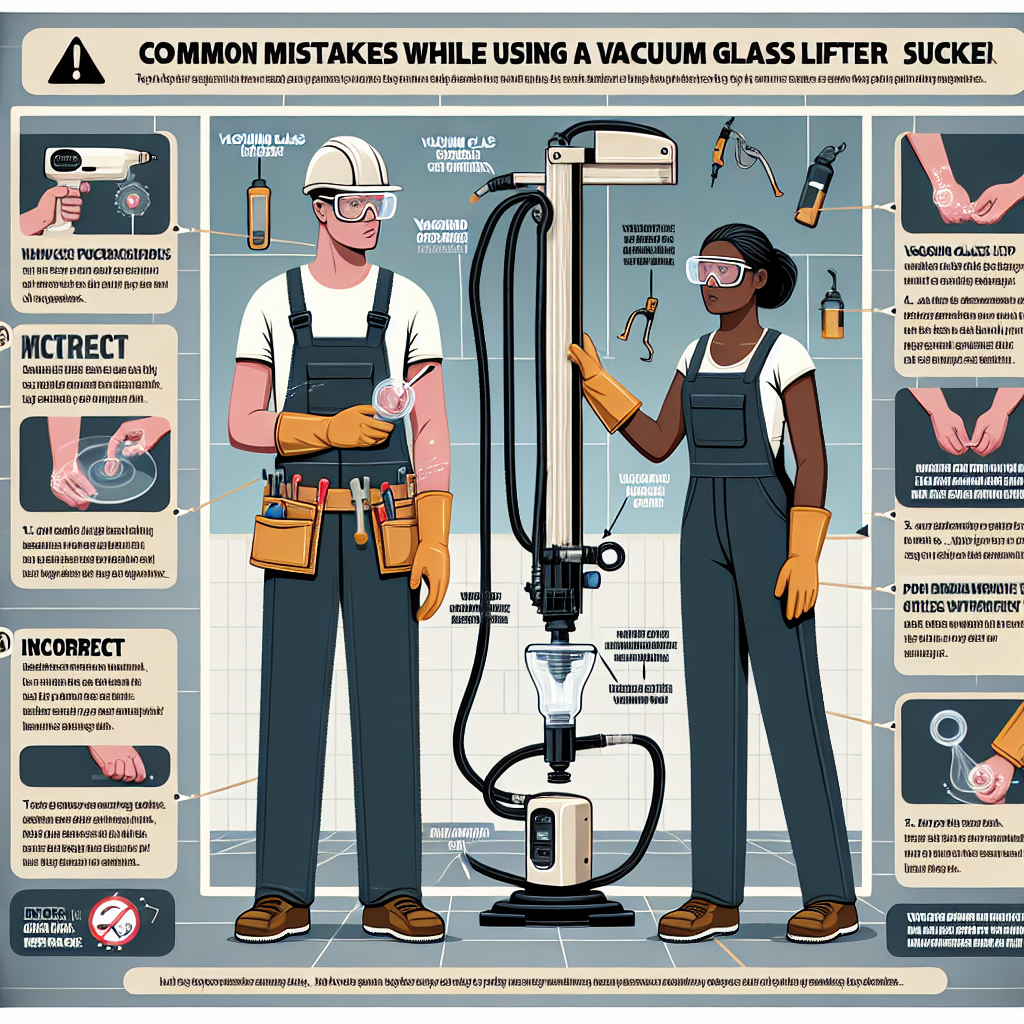
A vacuum glass lifter sucker is a powerful tool that can make lifting and moving heavy glass panels much easier. However, like any tool, it is important to use it correctly to avoid accidents and damage. In this article, we will discuss some common mistakes to avoid when operating a vacuum glass lifter sucker.
One of the most common mistakes people make is not properly inspecting the glass panel and the lifter before use. Before using the lifter, it is important to check the condition of the glass panel for any cracks or chips. Using a damaged panel can lead to further breakage and accidents. Additionally, inspect the lifter for any signs of wear or damage. If any issues are found, it is best to replace the panel or the lifter before proceeding.
Another mistake to avoid is not properly cleaning the glass surface before attaching the lifter. Dust, dirt, and debris can affect the suction power of the lifter, making it less effective. Before attaching the lifter, ensure that the glass surface is clean and free from any contaminants. This will ensure a strong and secure attachment, reducing the risk of the glass panel slipping or falling.
When attaching the lifter to the glass panel, it is important to follow the manufacturer’s instructions carefully. Each lifter may have specific guidelines for proper attachment. Failing to follow these instructions can result in an insecure attachment, leading to accidents. Take the time to read and understand the instructions before using the lifter.
Once the lifter is attached, it is crucial to test the suction power before lifting the glass panel. This can be done by applying a small amount of pressure to the lifter and checking if it holds firmly. If the lifter does not hold securely, do not proceed with lifting the glass panel. Instead, reattach the lifter or seek assistance from a professional.
Another mistake to avoid is lifting a glass panel that exceeds the weight capacity of the lifter. Each lifter has a maximum weight capacity, and exceeding this limit can result in the lifter failing and the glass panel falling. Before using the lifter, check the weight of the glass panel and ensure that it is within the lifter’s capacity. If the glass panel is too heavy, consider using a different lifting method or seeking professional help.
When lifting the glass panel, it is important to do so slowly and steadily. Jerky or sudden movements can cause the lifter to lose suction and the glass panel to fall. Take your time and maintain a steady pace when lifting and moving the glass panel.
Finally, it is crucial to always have a backup plan in case of a lifter failure. Despite taking all the necessary precautions, accidents can still happen. Having a backup plan, such as additional support or a secondary lifting method, can help prevent injuries and damage.
In conclusion, operating a vacuum glass lifter sucker requires careful attention to detail and adherence to safety guidelines. By avoiding common mistakes such as not inspecting the glass panel and lifter, not cleaning the glass surface, improper attachment, exceeding weight capacity, jerky movements, and not having a backup plan, you can ensure a safe and successful lifting experience. Always prioritize safety and follow the manufacturer’s instructions for optimal results.
Essential Safety Tips for Using a Vacuum Glass Lifter Sucker
A vacuum glass lifter sucker is a useful tool for lifting and moving glass panels, windows, and other smooth surfaces. However, using this tool requires caution and attention to safety guidelines to avoid accidents and damage. In this article, we will discuss essential safety tips for using a vacuum glass lifter sucker.
First and foremost, it is crucial to inspect the lifter sucker before each use. Check for any signs of damage or wear, such as cracks in the suction cups or frayed cables. If any issues are found, do not use the lifter sucker and have it repaired or replaced. Regular maintenance and inspection are essential to ensure the tool’s reliability and safety.
When using a vacuum glass lifter sucker, it is important to choose the right lifter for the job. Consider the weight and size of the glass panel or window you need to lift. Ensure that the lifter sucker you are using has the appropriate lifting capacity to handle the load. Using a lifter with insufficient capacity can lead to accidents and damage to the glass or the lifter itself.
Before attaching the lifter sucker to the glass surface, make sure the surface is clean and free from any debris or contaminants. Dust, dirt, or oil can affect the suction power of the lifter and compromise its ability to hold the glass securely. Clean the surface thoroughly and ensure it is dry before attaching the lifter sucker.
When attaching the lifter sucker to the glass, make sure it is centered and aligned properly. The suction cups should be placed flat against the glass surface, ensuring a tight seal. Check that all the suction cups are securely attached and that there are no air leaks. A proper seal is crucial for the lifter sucker to hold the glass securely.
Once the lifter sucker is attached, it is important to test the suction power before lifting the glass. Apply a gentle force to ensure that the lifter sucker is securely attached and that the glass is held firmly. If there are any signs of instability or if the lifter sucker does not hold the glass securely, do not proceed with the lift. Recheck the attachment and make any necessary adjustments before attempting to lift the glass.
When lifting the glass, it is important to use proper lifting techniques. Avoid sudden movements or jerks that can cause the glass to shift or fall. Lift the glass slowly and steadily, keeping it level and balanced. If the glass is large or heavy, it is advisable to have additional personnel to assist with the lift.
During the lifting process, it is important to maintain constant vigilance and be aware of any potential hazards. Watch out for obstacles or uneven surfaces that can cause the glass to tilt or slide. Keep a safe distance from other workers or objects to avoid accidents or collisions.
Finally, when the glass is in position, release the suction cups slowly and carefully. Do not release the suction cups abruptly, as this can cause the glass to drop or shift unexpectedly. Ensure that the glass is securely in place before removing the lifter sucker.
In conclusion, using a vacuum glass lifter sucker can greatly facilitate the lifting and moving of glass panels and windows. However, it is essential to follow safety guidelines to avoid accidents and damage. Regular inspection, proper attachment, testing of suction power, and using proper lifting techniques are all crucial for safe and successful use of a vacuum glass lifter sucker.