
The Benefits of Using a Pneumatic Glass Lifter for Workplace Safety
Workplace safety is a top priority for any business, regardless of its size or industry. Employers are responsible for ensuring the safety and well-being of their employees, and this includes taking measures to prevent accidents and injuries. One effective way to improve workplace safety is by using a pneumatic glass lifter.
A pneumatic glass lifter is a device that is specifically designed to lift and transport glass panels. It uses compressed air to create a vacuum seal, allowing it to securely grip and lift glass without the need for manual handling. This not only reduces the risk of glass breakage but also minimizes the chances of employees suffering from strains, sprains, or other musculoskeletal injuries.
One of the key benefits of using a pneumatic glass lifter for workplace safety is the elimination of manual lifting. Lifting heavy glass panels manually can be a challenging and risky task. It requires a significant amount of physical strength and can put a strain on the back, shoulders, and arms. By using a pneumatic glass lifter, employees can avoid these physical demands and reduce the risk of injury.
In addition to reducing the risk of musculoskeletal injuries, a pneumatic glass lifter also helps prevent accidents related to glass breakage. Glass panels are fragile and can easily shatter if mishandled. This not only poses a safety hazard to employees but also results in costly damage to the glass itself. A pneumatic glass lifter ensures a secure grip on the glass, minimizing the chances of it slipping or falling and breaking.
Furthermore, a pneumatic glass lifter improves workplace safety by increasing efficiency and productivity. Manual lifting and handling of glass panels can be time-consuming and labor-intensive. It requires multiple employees to coordinate their efforts and can slow down the workflow. With a pneumatic glass lifter, one employee can easily and safely handle glass panels, allowing for faster and more efficient work processes.
Another advantage of using a pneumatic glass lifter is its versatility. These devices are designed to handle a wide range of glass sizes and shapes, making them suitable for various applications. Whether it’s lifting large glass windows or delicate glass tabletops, a pneumatic glass lifter can accommodate different requirements. This versatility not only improves workplace safety but also enhances the overall functionality and flexibility of the business.
In conclusion, workplace safety is of utmost importance, and employers should take all necessary measures to ensure the well-being of their employees. Using a pneumatic glass lifter is an effective way to improve workplace safety. By eliminating manual lifting, reducing the risk of glass breakage, increasing efficiency, and offering versatility, these devices provide numerous benefits. Investing in a pneumatic glass lifter not only protects employees from injuries but also enhances productivity and contributes to a safer work environment.
Essential Safety Measures when Operating a Pneumatic Glass Lifter in the Workplace
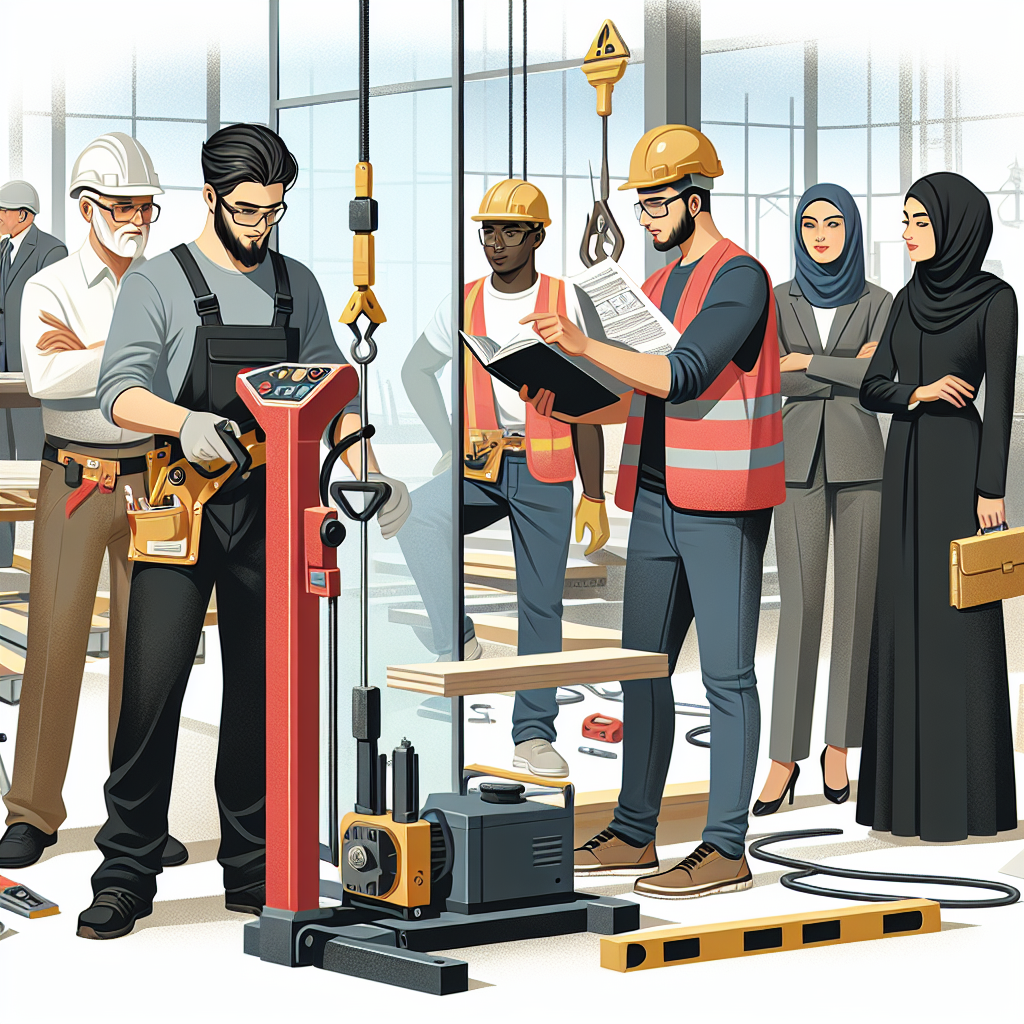
Pneumatic glass lifters are a valuable tool in the workplace, especially in industries that deal with heavy glass panels or windows. These lifters use compressed air to create a vacuum, allowing them to securely grip and lift glass without the need for manual handling. While they can greatly improve efficiency and productivity, it is essential to prioritize safety when operating a pneumatic glass lifter.
One of the most important safety measures when using a pneumatic glass lifter is to ensure that all operators are properly trained. Operating this equipment requires specific knowledge and skills, and it is crucial that employees receive thorough training before using the lifter. Training should cover topics such as how to properly attach and detach the lifter to the glass, how to operate the lifter controls, and how to safely maneuver the glass. By providing comprehensive training, employers can minimize the risk of accidents and injuries.
Another essential safety measure is to conduct regular inspections and maintenance of the pneumatic glass lifter. Before each use, operators should inspect the lifter for any signs of damage or wear. This includes checking the vacuum cups for cracks or tears, ensuring that all hoses and fittings are secure, and inspecting the control panel for any malfunctions. Regular maintenance should also be performed, including lubricating moving parts and replacing worn-out components. By keeping the lifter in good working condition, the risk of equipment failure and accidents can be significantly reduced.
Proper communication and coordination are also crucial for workplace safety when using a pneumatic glass lifter. Before lifting any glass, operators should communicate with their colleagues to ensure that everyone is aware of the task at hand. This includes notifying others of the lifter’s movements and any potential hazards. Additionally, it is important to coordinate with other workers who may be involved in the lifting process, such as those who are responsible for guiding the glass into place. By maintaining clear communication and coordination, the risk of accidents and injuries can be minimized.
Personal protective equipment (PPE) is another essential safety measure when operating a pneumatic glass lifter. Operators should always wear appropriate PPE, such as safety glasses, gloves, and steel-toed boots. Safety glasses protect the eyes from flying glass shards or debris, while gloves provide a better grip and protect the hands from cuts or abrasions. Steel-toed boots are essential for protecting the feet from potential crushing injuries. By wearing the proper PPE, operators can reduce the risk of injury and ensure their safety while using the lifter.
Lastly, it is important to establish and enforce a safe work environment when using a pneumatic glass lifter. This includes keeping the work area clean and free from clutter, ensuring that there is adequate lighting, and providing clear signage to indicate potential hazards. Employers should also establish clear safety protocols and procedures for operating the lifter, and employees should be encouraged to report any safety concerns or near-miss incidents. By creating a culture of safety, employers can foster a workplace environment that prioritizes the well-being of its employees.
In conclusion, while pneumatic glass lifters can greatly improve workplace efficiency, it is essential to prioritize safety when using this equipment. By ensuring that operators are properly trained, conducting regular inspections and maintenance, promoting clear communication and coordination, wearing appropriate PPE, and establishing a safe work environment, employers can minimize the risk of accidents and injuries. By implementing these essential safety measures, workplaces can harness the benefits of pneumatic glass lifters while keeping their employees safe.
How to Implement a Comprehensive Workplace Safety Program with a Pneumatic Glass Lifter
Workplace safety is a top priority for any organization. It not only protects employees from harm but also ensures the smooth operation of the business. One effective way to improve workplace safety is by implementing a comprehensive safety program with the help of a pneumatic glass lifter.
A pneumatic glass lifter is a versatile tool that can be used in various industries, including construction, manufacturing, and logistics. It is designed to lift and transport heavy glass panels, windows, and other fragile materials safely and efficiently. By incorporating this tool into your workplace safety program, you can significantly reduce the risk of accidents and injuries.
The first step in implementing a comprehensive workplace safety program with a pneumatic glass lifter is to assess your specific needs and requirements. Consider the nature of your business, the types of materials you handle, and the tasks that involve lifting and transporting heavy objects. This assessment will help you determine the appropriate size and capacity of the pneumatic glass lifter you need.
Once you have identified the right pneumatic glass lifter for your organization, the next step is to train your employees on its proper use. Conduct thorough training sessions that cover the safe operation of the lifter, including how to load and unload materials, how to secure them during transportation, and how to maneuver the lifter in different work environments. Emphasize the importance of following safety protocols and provide hands-on practice to ensure that your employees are confident and competent in using the lifter.
In addition to training, it is crucial to establish clear guidelines and procedures for the use of the pneumatic glass lifter. Develop a comprehensive safety manual that outlines the proper use of the lifter, as well as any specific safety precautions that need to be followed. Make sure this manual is easily accessible to all employees and regularly updated to reflect any changes or improvements in safety protocols.
To further enhance workplace safety, consider implementing additional safety measures in conjunction with the pneumatic glass lifter. For example, you may want to install safety barriers or guardrails in areas where the lifter is frequently used to prevent unauthorized access and minimize the risk of accidents. Additionally, provide personal protective equipment, such as gloves and safety glasses, to employees who operate the lifter or work in close proximity to it.
Regular maintenance and inspections are essential to ensure the continued safe operation of the pneumatic glass lifter. Develop a maintenance schedule and assign qualified personnel to perform routine checks and repairs. Regularly inspect the lifter for any signs of wear and tear, and promptly address any issues to prevent accidents or malfunctions.
Lastly, encourage a culture of safety within your organization. Foster open communication between employees and management, and encourage them to report any safety concerns or near-miss incidents involving the pneumatic glass lifter. Conduct regular safety meetings or toolbox talks to discuss best practices, address any safety issues, and reinforce the importance of workplace safety.
In conclusion, implementing a comprehensive workplace safety program with a pneumatic glass lifter can significantly improve safety in your organization. By assessing your needs, providing proper training, establishing clear guidelines, implementing additional safety measures, conducting regular maintenance, and fostering a culture of safety, you can create a safer work environment for your employees and enhance the overall efficiency of your business.