
Proper Maintenance Techniques for Pneumatic Glass Lifters
Proper Maintenance Techniques for Pneumatic Glass Lifters
Pneumatic glass lifters are essential tools in the construction and manufacturing industries. They are designed to lift and transport heavy glass panels with ease and efficiency. However, like any other equipment, pneumatic glass lifters require regular maintenance to ensure their optimal performance and longevity. In this article, we will discuss some important maintenance techniques that can help you avoid damage and keep your pneumatic glass lifter in top shape.
First and foremost, it is crucial to inspect your pneumatic glass lifter before each use. This includes checking for any signs of wear and tear, such as frayed cables or damaged suction cups. Any damaged components should be replaced immediately to prevent accidents or further damage to the lifter. Additionally, make sure that all the connections and fittings are secure and in good condition.
Another important maintenance task is to clean the suction cups regularly. Over time, dust, dirt, and debris can accumulate on the suction cups, affecting their ability to create a strong vacuum seal. To clean the suction cups, use a mild detergent and warm water. Gently scrub the cups with a soft brush or sponge, making sure to remove any stubborn dirt or residue. Rinse thoroughly and allow the cups to dry completely before using the lifter again.
In addition to cleaning the suction cups, it is also essential to clean the lifter’s control panel and other electrical components. Dust and debris can accumulate on these parts, potentially causing malfunctions or electrical issues. Use a soft, dry cloth to wipe down the control panel and other electrical components regularly. Avoid using harsh chemicals or excessive moisture, as these can damage the sensitive electronics.
Furthermore, it is crucial to lubricate the moving parts of the pneumatic glass lifter regularly. This includes the hinges, joints, and other mechanical components. Lubrication helps reduce friction and wear, ensuring smooth operation and preventing premature damage. Use a high-quality lubricant recommended by the manufacturer and apply it according to the instructions provided. Be sure to wipe off any excess lubricant to prevent it from attracting dirt and debris.
Additionally, it is important to store your pneumatic glass lifter properly when not in use. Exposure to extreme temperatures, moisture, and other environmental factors can damage the lifter and its components. Store the lifter in a clean, dry area, away from direct sunlight and excessive heat or cold. If possible, cover the lifter with a protective tarp or sheet to shield it from dust and debris.
Lastly, regular inspections and maintenance by a qualified technician are essential to ensure the long-term performance and safety of your pneumatic glass lifter. A professional technician can identify any potential issues or worn-out parts that may not be apparent to the untrained eye. They can also perform more in-depth maintenance tasks, such as checking the lifter’s hydraulic system or adjusting the lifting capacity if necessary.
In conclusion, proper maintenance is crucial for the optimal performance and longevity of pneumatic glass lifters. Regular inspections, cleaning, lubrication, and storage are all important maintenance techniques that can help you avoid damage and ensure the safe operation of your lifter. By following these maintenance guidelines and seeking professional assistance when needed, you can extend the lifespan of your pneumatic glass lifter and maximize its efficiency in your work.
Essential Safety Measures to Prevent Damage when Using Pneumatic Glass Lifters
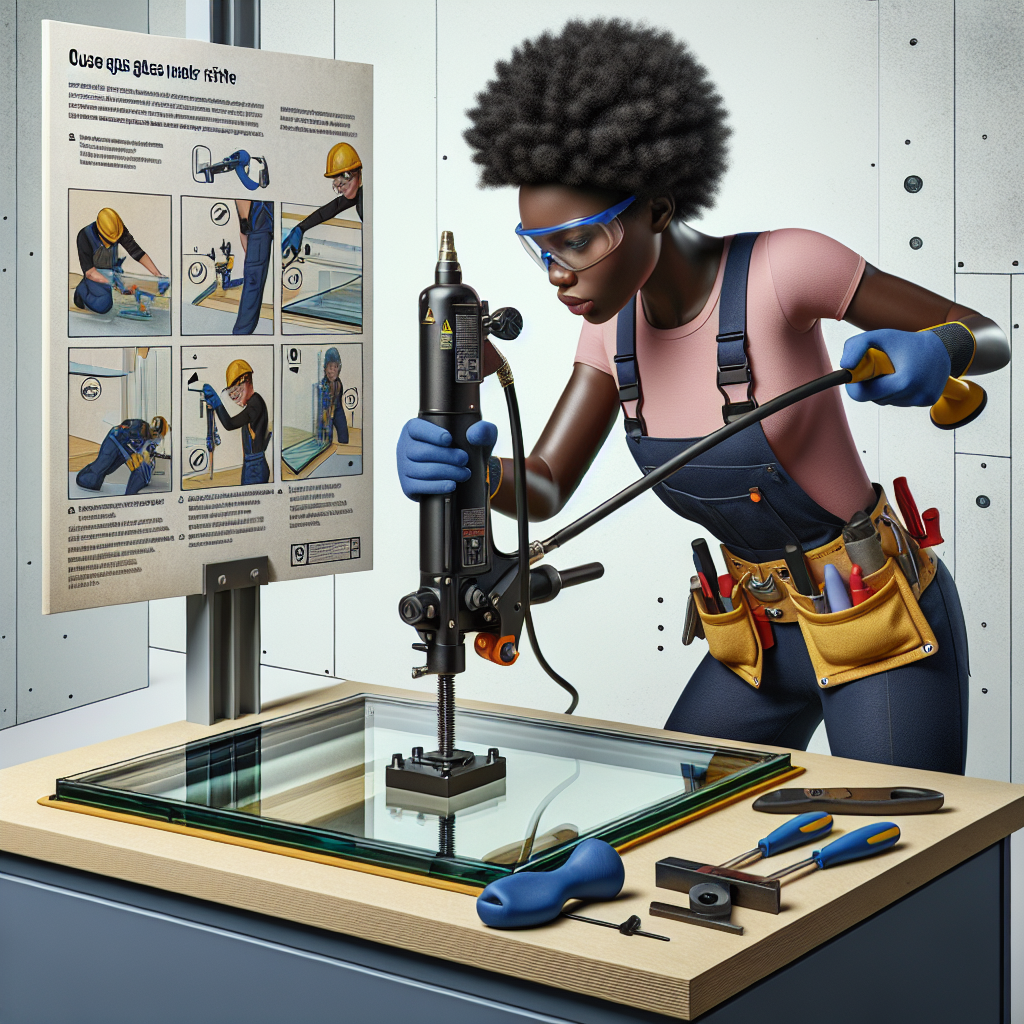
Pneumatic glass lifters are a valuable tool in the construction and glass industry, allowing for the safe and efficient handling of heavy glass panels. However, if not used properly, they can cause damage to both the glass and the surrounding environment. To avoid such damage, it is essential to follow a few safety measures.
First and foremost, it is crucial to ensure that the glass lifter is in good working condition before use. Regular maintenance and inspections should be conducted to identify any potential issues. This includes checking the suction cups for any signs of wear or damage, as well as inspecting the lifting mechanism for any loose or broken parts. By addressing these issues promptly, you can prevent any accidents or damage that may occur due to equipment failure.
Another important safety measure is to properly assess the weight and dimensions of the glass panel before attempting to lift it. Each pneumatic glass lifter has a specified weight capacity, and exceeding this limit can lead to equipment failure and damage to the glass. Additionally, it is essential to consider the size and shape of the glass panel, as irregularly shaped or oversized panels may require additional support or specialized lifting equipment.
When using a pneumatic glass lifter, it is crucial to ensure that the glass panel is clean and free from any debris or contaminants. Even small particles can cause scratches or damage to the glass surface when pressed against it by the suction cups. Therefore, it is advisable to thoroughly clean the glass panel before attempting to lift it, using a lint-free cloth and a suitable glass cleaner.
Furthermore, it is essential to handle the glass panel with care during the lifting process. Sudden movements or jerks can cause the glass to shift or slip, leading to potential damage. It is recommended to lift the glass panel slowly and steadily, ensuring that it remains stable throughout the process. Additionally, it is advisable to have a second person assist in guiding the glass panel into place, reducing the risk of accidental collisions or damage.
In addition to these safety measures, it is crucial to consider the surrounding environment when using a pneumatic glass lifter. This includes ensuring that there is sufficient space to maneuver the glass panel without risking damage to nearby objects or structures. It is also important to be aware of any overhead obstacles, such as low-hanging branches or power lines, which may interfere with the lifting process.
Lastly, it is essential to have a clear plan in place for the placement and installation of the glass panel. This includes identifying the correct position and orientation of the panel, as well as ensuring that the supporting structure is properly prepared to receive the glass. By carefully planning the installation process, you can minimize the risk of damage and ensure a successful outcome.
In conclusion, using a pneumatic glass lifter can greatly facilitate the handling of heavy glass panels. However, it is crucial to follow essential safety measures to prevent damage. This includes regular maintenance and inspections, proper assessment of weight and dimensions, ensuring a clean glass surface, handling the glass with care, considering the surrounding environment, and having a clear installation plan. By adhering to these safety measures, you can avoid damage and ensure a safe and successful glass lifting operation.
Best Practices for Handling and Transporting Glass with Pneumatic Glass Lifters
Pneumatic glass lifters are a valuable tool for handling and transporting glass, but if not used properly, they can cause damage to the glass and pose a safety risk. In this article, we will discuss some best practices for using a pneumatic glass lifter to avoid damage and ensure safe handling and transportation of glass.
First and foremost, it is important to properly inspect the glass lifter before use. Check for any signs of damage or wear and tear, such as cracks or leaks in the pneumatic system. Make sure all the components are in good working condition and that the lifter is properly calibrated. This will help prevent any malfunctions or accidents during use.
When using a pneumatic glass lifter, it is crucial to ensure that the lifter is properly aligned with the glass. This means that the suction cups should be placed evenly on the glass surface, with equal pressure applied to each cup. Uneven pressure can cause the glass to crack or break, so take the time to adjust the lifter as needed before lifting the glass.
Another important consideration is the weight capacity of the glass lifter. Make sure that the lifter is rated to handle the weight of the glass you are lifting. Overloading the lifter can cause it to fail, resulting in damage to the glass and potential injury to the operator. Always check the weight capacity and never exceed it.
When lifting the glass, it is important to do so slowly and smoothly. Jerky or sudden movements can cause the glass to shift or swing, increasing the risk of damage. Use the controls on the lifter to lift the glass gradually and steadily, keeping it level and stable throughout the process.
During transportation, it is important to secure the glass properly to prevent it from shifting or falling. Use straps or other restraints to hold the glass in place, ensuring that it is secure and stable. This will help prevent damage to the glass and reduce the risk of accidents during transportation.
When setting the glass down, it is important to do so gently and carefully. Lower the glass slowly and smoothly, ensuring that it is placed on a stable and level surface. Avoid dropping or slamming the glass, as this can cause it to crack or break.
After using the pneumatic glass lifter, it is important to properly clean and maintain it. Clean the suction cups and other components to remove any dirt or debris that may have accumulated during use. Inspect the lifter for any signs of damage or wear and tear, and address any issues promptly to ensure safe and effective operation.
In conclusion, using a pneumatic glass lifter can greatly facilitate the handling and transportation of glass. However, it is important to follow best practices to avoid damage and ensure safe operation. Properly inspect the lifter before use, align it correctly with the glass, and use it within its weight capacity. Lift and transport the glass slowly and smoothly, securing it properly during transportation. Set the glass down gently and clean and maintain the lifter regularly. By following these best practices, you can ensure safe and damage-free handling and transportation of glass with a pneumatic glass lifter.