
Factors to Consider When Choosing Vacuum Glass Lifters
When it comes to choosing the right vacuum glass lifter for your needs, there are several factors that you should consider. Vacuum glass lifters are a valuable tool for lifting and moving glass panels, windows, and other smooth surfaces. They provide a safe and efficient way to handle these delicate materials, reducing the risk of damage and injury. However, with so many different types of vacuum glass lifters available on the market, it can be overwhelming to make a decision. In this article, we will discuss the factors that you should consider when choosing between different types of vacuum glass lifters.
The first factor to consider is the weight capacity of the vacuum glass lifter. Different models have different weight capacities, so it is important to choose one that can handle the weight of the glass panels or windows that you will be working with. It is always better to choose a vacuum glass lifter with a higher weight capacity than you think you will need, as this will provide a safety margin and ensure that the lifter can handle unexpected situations.
Another important factor to consider is the size and shape of the glass panels or windows that you will be lifting. Some vacuum glass lifters are designed specifically for lifting large, flat panels, while others are better suited for smaller or irregularly shaped objects. It is important to choose a lifter that is compatible with the size and shape of the glass panels or windows that you will be working with to ensure a secure and stable grip.
The type of surface that the vacuum glass lifter will be used on is also an important consideration. Some lifters are designed for use on smooth, flat surfaces, while others are designed for use on rough or uneven surfaces. If you will be working on a variety of surfaces, it may be worth considering a vacuum glass lifter that is versatile and can be used on different types of surfaces.
The power source of the vacuum glass lifter is another factor to consider. Some lifters are powered by electricity, while others are powered by compressed air or batteries. The choice of power source will depend on your specific needs and the availability of power sources in your work environment. Electric lifters are generally more powerful and can handle heavier loads, but they require access to electricity. On the other hand, battery-powered or air-powered lifters offer more flexibility in terms of mobility but may have limitations in terms of weight capacity.
Finally, it is important to consider the safety features of the vacuum glass lifter. Look for lifters that have features such as audible and visual alarms to indicate when the vacuum seal is compromised, as well as safety mechanisms to prevent accidental release of the glass panels or windows. Additionally, consider lifters that have ergonomic handles and controls to ensure comfortable and safe operation.
In conclusion, choosing the right vacuum glass lifter involves considering several factors. These include the weight capacity, size and shape compatibility, surface compatibility, power source, and safety features. By carefully evaluating these factors and selecting a lifter that meets your specific needs, you can ensure safe and efficient handling of glass panels and windows.
Pros and Cons of Different Types of Vacuum Glass Lifters
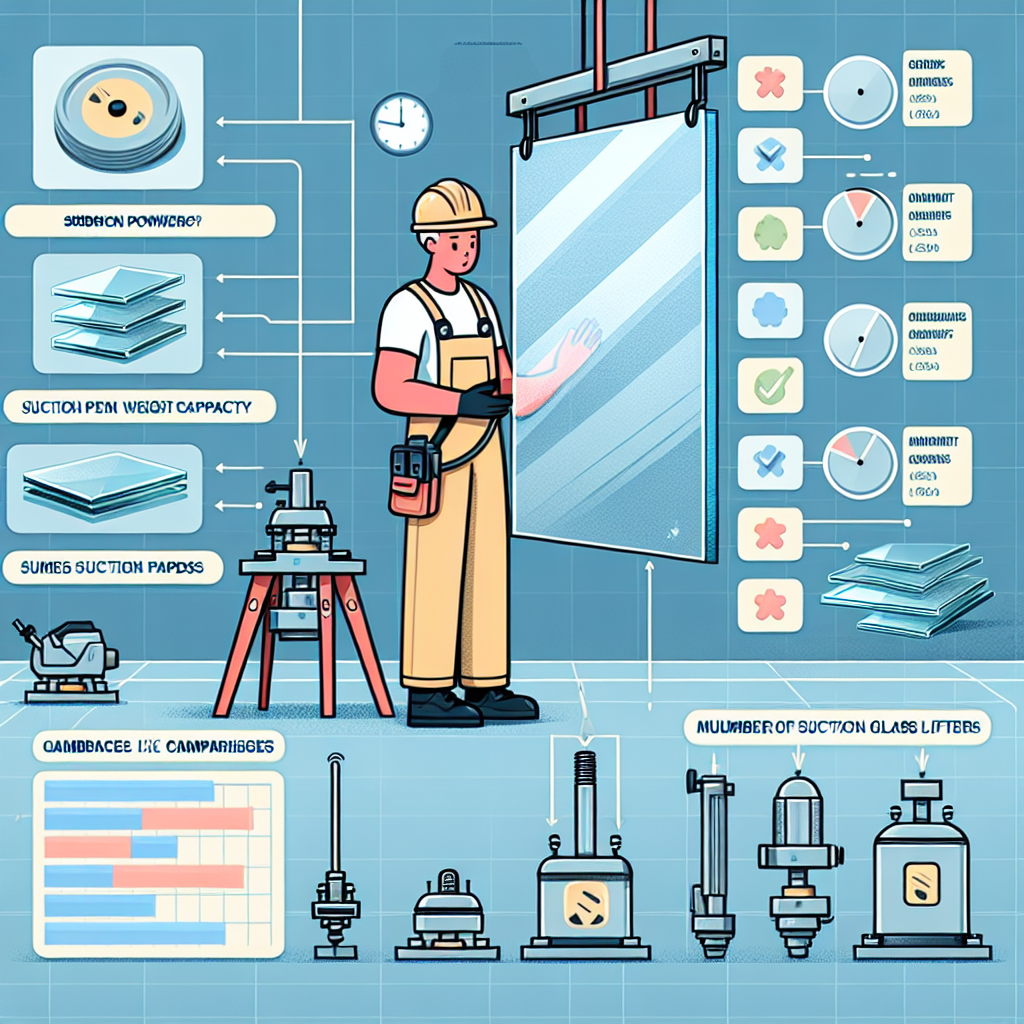
When it comes to choosing the right vacuum glass lifter for your needs, it’s important to consider the pros and cons of each type. There are several different types of vacuum glass lifters available on the market, each with its own unique features and benefits. By understanding the advantages and disadvantages of each type, you can make an informed decision that best suits your specific requirements.
One popular type of vacuum glass lifter is the manual lifter. As the name suggests, this type of lifter requires manual operation. It typically consists of a handle or lever that is used to create suction and lift the glass. One of the main advantages of a manual lifter is its simplicity. It is easy to use and does not require any external power source. Additionally, manual lifters are often more affordable compared to other types. However, they do have some limitations. Manual lifters are generally not suitable for lifting heavy or large glass panels, as they rely on the strength of the operator. They also require physical effort, which can be tiring and time-consuming.
Another type of vacuum glass lifter is the battery-powered lifter. This type of lifter is equipped with a rechargeable battery that powers the vacuum pump. Battery-powered lifters offer greater convenience and mobility compared to manual lifters. They are ideal for situations where there is limited access to power outlets or when working in remote locations. Battery-powered lifters also eliminate the need for physical effort, making them suitable for lifting heavy or large glass panels. However, they do have a limited battery life, which means they may need to be recharged frequently. Additionally, battery-powered lifters tend to be more expensive than manual lifters.
A third type of vacuum glass lifter is the electric lifter. This type of lifter is powered by electricity and typically requires a power outlet to operate. Electric lifters offer the advantage of consistent and reliable power, making them suitable for heavy-duty lifting tasks. They are often equipped with additional features such as adjustable suction cups and remote control operation. Electric lifters are also capable of lifting larger and heavier glass panels compared to manual or battery-powered lifters. However, they are generally more expensive and may require professional installation.
Lastly, there are specialized vacuum glass lifters designed for specific applications. For example, there are lifters specifically designed for curved glass or for lifting glass in tight spaces. These specialized lifters offer unique features and capabilities that cater to specific needs. While they may be more expensive than standard lifters, they can greatly enhance efficiency and safety in specialized applications.
In conclusion, choosing the right vacuum glass lifter involves considering the pros and cons of each type. Manual lifters are simple and affordable but have limitations in terms of lifting capacity. Battery-powered lifters offer convenience and mobility but have limited battery life. Electric lifters provide consistent power and are suitable for heavy-duty lifting tasks but tend to be more expensive. Specialized lifters cater to specific applications and offer unique features. By carefully evaluating your requirements and considering the advantages and disadvantages of each type, you can select the vacuum glass lifter that best meets your needs.
Tips for Selecting the Right Vacuum Glass Lifter for Your Needs
When it comes to selecting the right vacuum glass lifter for your needs, there are several factors to consider. With so many different types of vacuum glass lifters available on the market, it can be overwhelming to determine which one is the best fit for your specific requirements. However, by understanding the key features and capabilities of each type, you can make an informed decision.
One important factor to consider is the weight capacity of the vacuum glass lifter. Different models have different weight limits, so it is crucial to choose one that can handle the weight of the glass you will be working with. It is always better to choose a lifter with a higher weight capacity than you think you will need, as this will provide an extra margin of safety.
Another important consideration is the size and shape of the glass you will be lifting. Some vacuum glass lifters are designed specifically for flat glass, while others are better suited for curved or irregularly shaped glass. It is important to choose a lifter that is compatible with the type of glass you will be working with to ensure a secure and stable grip.
The type of surface you will be working on is also a crucial factor to consider. Some vacuum glass lifters are designed for smooth surfaces, while others are better suited for rough or textured surfaces. It is important to choose a lifter that is compatible with the surface you will be working on to ensure optimal performance and safety.
In addition to these factors, it is also important to consider the power source of the vacuum glass lifter. Some models are powered by electricity, while others are powered by compressed air or batteries. The choice of power source will depend on your specific needs and the availability of power sources in your work environment.
Furthermore, it is important to consider the safety features of the vacuum glass lifter. Look for features such as automatic shut-off valves, audible alarms, and visual indicators that can help prevent accidents and ensure the safe operation of the lifter. Additionally, consider the availability of spare parts and the reputation of the manufacturer for providing reliable and durable products.
Lastly, it is important to consider your budget when selecting a vacuum glass lifter. Different models come with different price tags, so it is important to choose one that fits within your budget while still meeting your requirements. However, it is important to prioritize quality and safety over cost, as investing in a high-quality vacuum glass lifter can save you money in the long run by reducing the risk of accidents and damage to glass.
In conclusion, selecting the right vacuum glass lifter for your needs requires careful consideration of several factors. These include the weight capacity, compatibility with the size and shape of the glass, compatibility with the surface, power source, safety features, availability of spare parts, and budget. By taking these factors into account, you can make an informed decision and choose a vacuum glass lifter that will meet your needs and provide reliable and safe operation.