
Proper Handling Techniques for Transporting Glass with a Vacuum Glass Lifter
Glass is a delicate material that requires careful handling to prevent breakage and ensure safe transportation. One effective tool for transporting glass is a vacuum glass lifter. This device uses suction cups to securely grip the glass, allowing for easy lifting and movement. However, it is important to follow proper handling techniques to ensure the safety of both the glass and the operator.
Before using a vacuum glass lifter, it is crucial to inspect the device for any damage or defects. Check the suction cups for cracks or tears, as these can compromise the lifter’s ability to securely grip the glass. Additionally, ensure that all the necessary safety features, such as pressure gauges and alarms, are in proper working condition.
When using a vacuum glass lifter, it is essential to clean the glass surface thoroughly. Any dirt, dust, or debris on the glass can interfere with the lifter’s suction and potentially cause the glass to slip or break during transportation. Use a clean, lint-free cloth and a suitable glass cleaner to remove any contaminants from the glass surface.
To ensure a secure grip, position the suction cups of the lifter evenly across the glass surface. This will distribute the weight evenly and minimize the risk of the glass cracking or breaking. It is also important to ensure that the suction cups are properly aligned with the glass edges to maximize the lifter’s gripping power.
Before lifting the glass, it is crucial to test the suction cups’ grip. Apply a slight upward force to the lifter to ensure that the cups are securely attached to the glass. If any cups feel loose or fail to grip the glass properly, do not proceed with the lift. Instead, reposition the cups or replace them if necessary.
When lifting the glass, it is important to maintain a steady and controlled movement. Avoid sudden jerks or movements that could cause the glass to shift or slip out of the lifter’s grip. It is also crucial to keep a firm grip on the lifter’s handle and maintain a stable posture to prevent any accidental drops or falls.
During transportation, it is important to be mindful of any obstacles or hazards that could potentially damage the glass. Avoid sharp turns, uneven surfaces, or sudden stops that could cause the glass to shift or collide with other objects. If necessary, use additional support, such as straps or padding, to secure the glass and minimize the risk of damage.
When reaching the destination, it is important to lower the glass gently and carefully. Slowly release the suction cups’ grip and ensure that the glass is securely placed before removing the lifter. Avoid placing the glass directly on hard surfaces, as this can increase the risk of breakage. Instead, use a suitable support, such as a padded surface or a glass rack, to safely store the glass.
In conclusion, using a vacuum glass lifter can greatly facilitate the transportation of glass. However, it is crucial to follow proper handling techniques to ensure the safety of both the glass and the operator. By inspecting the lifter, cleaning the glass surface, positioning the suction cups correctly, testing the grip, maintaining a steady movement, and being mindful of potential hazards, one can safely transport glass with a vacuum glass lifter.
Essential Safety Precautions to Consider When Using a Vacuum Glass Lifter for Glass Transportation
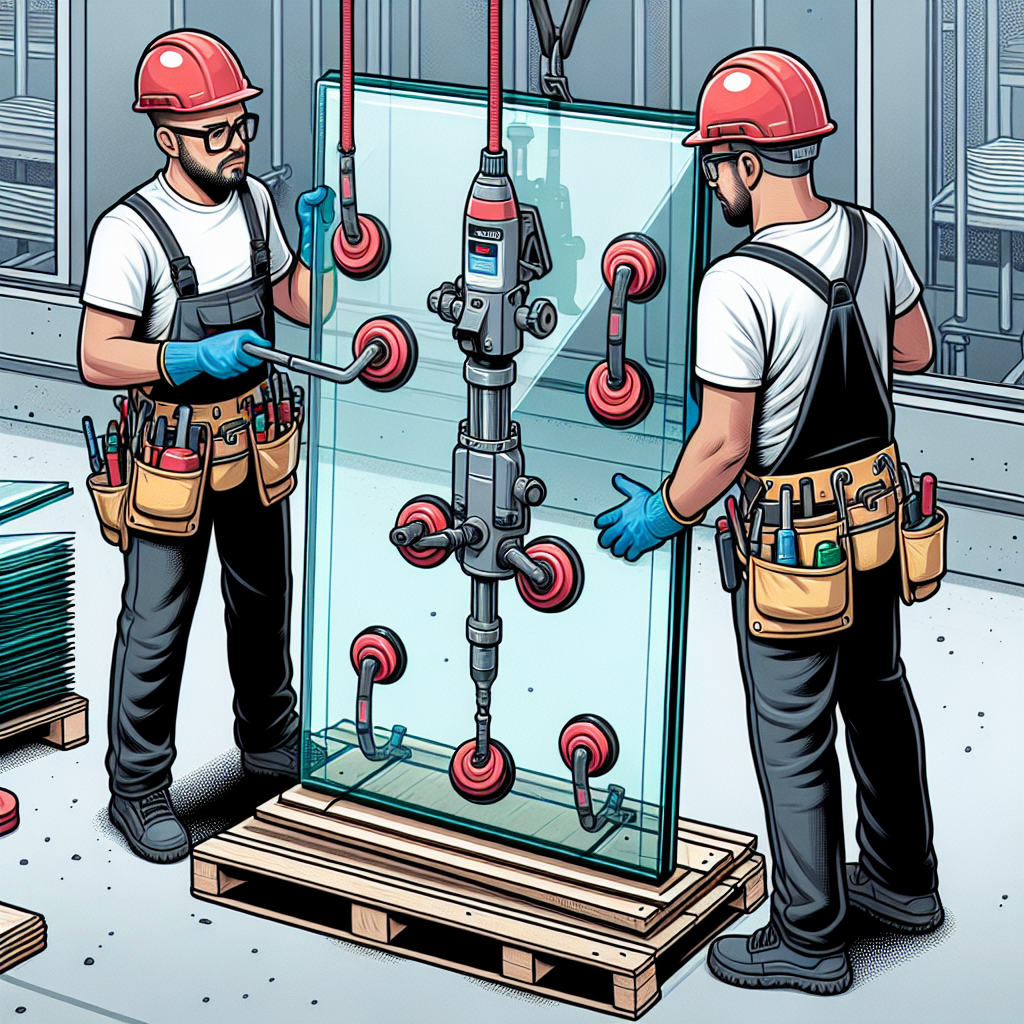
Glass transportation can be a delicate and potentially dangerous task. Whether you are moving glass sheets, windows, or other fragile glass objects, it is crucial to take the necessary safety precautions to prevent accidents and damage. One effective tool for safely transporting glass is a vacuum glass lifter. This device uses suction cups to securely hold the glass, allowing for easy and controlled movement. However, it is important to follow essential safety precautions when using a vacuum glass lifter to ensure a successful and accident-free glass transportation process.
First and foremost, it is crucial to inspect the vacuum glass lifter before each use. Check for any signs of damage or wear on the suction cups, hoses, and other components. If any defects are found, do not use the lifter and have it repaired or replaced immediately. Additionally, ensure that the lifter is clean and free from any debris that could interfere with its functionality.
Before operating the vacuum glass lifter, it is essential to have a clear understanding of its capabilities and limitations. Each lifter has a maximum weight capacity, so it is crucial to know the weight of the glass you are transporting and ensure it falls within the lifter’s limits. Overloading the lifter can lead to suction cup failure and potential accidents. It is also important to consider the size and shape of the glass. Some lifters may not be suitable for irregularly shaped or extremely large glass objects.
Proper positioning of the suction cups is another critical safety consideration. The suction cups should be placed on a clean and smooth surface of the glass, ensuring that they are securely attached. It is important to avoid placing the suction cups on any damaged or weakened areas of the glass, as this can lead to breakage during transportation. Additionally, make sure that the suction cups are evenly distributed to provide balanced support for the glass.
When using a vacuum glass lifter, it is essential to maintain a firm grip on the lifter handle at all times. This will allow you to have better control over the glass and prevent any unexpected movements or accidents. Avoid jerky or sudden movements that could cause the glass to shift or fall. It is also important to move slowly and steadily, especially when navigating corners or obstacles.
Furthermore, it is crucial to be aware of your surroundings when using a vacuum glass lifter. Ensure that the path is clear of any obstacles or hazards that could interfere with the transportation process. If working in a crowded area, communicate with others to ensure their safety and avoid any potential collisions. It is also advisable to use additional safety equipment, such as gloves and safety glasses, to protect yourself from any potential injuries.
Lastly, it is important to have a plan in place for unloading the glass once it reaches its destination. Ensure that the area is clear and that there is a designated spot for the glass to be safely placed. Communicate with others involved in the unloading process to ensure a smooth and coordinated effort.
In conclusion, using a vacuum glass lifter can greatly facilitate the transportation of glass while minimizing the risk of accidents and damage. However, it is crucial to follow essential safety precautions to ensure a successful and safe glass transportation process. Inspecting the lifter, understanding its limitations, properly positioning the suction cups, maintaining a firm grip, being aware of your surroundings, and having a plan for unloading are all essential steps to take when using a vacuum glass lifter. By following these precautions, you can transport glass with confidence and minimize the risk of accidents or damage.
Tips for Choosing the Right Vacuum Glass Lifter for Safe and Efficient Glass Transport
Glass is a delicate material that requires careful handling to prevent breakage and ensure safe transportation. One effective tool for transporting glass is a vacuum glass lifter. These devices use suction cups to securely grip the glass, allowing it to be lifted and moved without the need for manual handling. However, not all vacuum glass lifters are created equal, and it is important to choose the right one for safe and efficient glass transport.
When selecting a vacuum glass lifter, there are several factors to consider. First and foremost, it is crucial to choose a lifter that is specifically designed for glass. Glass lifters are equipped with specialized suction cups that are designed to provide a secure grip on glass surfaces. These suction cups are typically made from materials such as rubber or silicone, which are gentle on the glass and help to prevent scratches or damage.
Another important consideration is the lifting capacity of the vacuum glass lifter. Different lifters have different weight capacities, so it is essential to choose one that can safely handle the weight of the glass you will be transporting. It is always better to choose a lifter with a higher weight capacity than you think you will need, as this provides an extra margin of safety.
In addition to lifting capacity, it is also important to consider the size and shape of the glass that the lifter will be used for. Some vacuum glass lifters are designed specifically for flat glass, while others are capable of handling curved or irregularly shaped glass. It is important to choose a lifter that is compatible with the type of glass you will be transporting to ensure a secure grip and prevent any accidents.
Furthermore, the power source of the vacuum glass lifter should also be taken into account. Some lifters are powered by electricity, while others are powered by compressed air. Electric lifters are generally more convenient and easier to use, as they do not require an external air supply. However, compressed air lifters can be a good option in situations where electricity is not readily available.
When using a vacuum glass lifter, it is important to follow proper safety procedures to prevent accidents and injuries. Before using the lifter, it is essential to inspect it for any signs of damage or wear. The suction cups should be clean and free from any debris that could affect their grip. It is also important to ensure that the lifter is securely attached to the glass before lifting it.
During the lifting process, it is crucial to maintain a firm grip on the lifter and keep a close eye on the glass. Sudden movements or jerks can cause the glass to shift or slip, potentially leading to breakage. It is also important to avoid placing excessive pressure on the glass, as this can weaken it and increase the risk of breakage.
In conclusion, a vacuum glass lifter can be a valuable tool for safely transporting glass. When choosing a lifter, it is important to consider factors such as the lifting capacity, compatibility with different glass types, and power source. Following proper safety procedures is also essential to prevent accidents and ensure the safe transportation of glass. By selecting the right vacuum glass lifter and using it correctly, you can transport glass with confidence and efficiency.