
Advancements in Pneumatic Glass Lifters: Enhancing Efficiency and Safety in Glass Installation
Pneumatic glass lifters have revolutionized the glass installation industry, offering enhanced efficiency and safety. These innovative devices utilize compressed air to lift and transport heavy glass panels, eliminating the need for manual lifting and reducing the risk of accidents and injuries. In recent years, advancements in pneumatic glass lifters have further improved their performance, making them the future of glass installation.
One of the key advancements in pneumatic glass lifters is the development of more powerful and versatile models. Modern pneumatic glass lifters can handle larger and heavier glass panels, allowing for the installation of larger windows and glass facades. This increased capacity not only saves time and effort but also opens up new possibilities in architectural design.
Another significant improvement in pneumatic glass lifters is the integration of advanced control systems. These systems enable precise and smooth movements, ensuring that glass panels are lifted and positioned accurately. With the help of these control systems, installers can easily align glass panels with precision, reducing the risk of misalignment and the need for rework.
Furthermore, advancements in pneumatic glass lifters have led to the development of models with adjustable suction cups. These adjustable cups can be easily adapted to different glass sizes and shapes, providing a secure grip on the glass surface. This flexibility allows installers to work with a wide range of glass panels, eliminating the need for multiple lifters for different projects.
In addition to improved lifting capabilities, safety features have also been enhanced in modern pneumatic glass lifters. Many models now come equipped with sensors that detect any loss of vacuum or air pressure, alerting the operator to potential issues. This early warning system helps prevent accidents and ensures that glass panels are securely held throughout the installation process.
Moreover, advancements in pneumatic glass lifters have also focused on ergonomics and ease of use. These devices are now designed with the comfort and well-being of the operator in mind. Features such as adjustable handles and intuitive controls make operating the lifters more comfortable and reduce the risk of operator fatigue. This not only enhances safety but also improves overall efficiency and productivity.
The future of pneumatic glass lifters looks promising, with ongoing research and development aimed at further enhancing their capabilities. Researchers are exploring the use of advanced materials and technologies to make lifters even lighter and more compact, without compromising their lifting capacity. This would make them even more portable and easier to maneuver in tight spaces.
Additionally, there is a growing interest in integrating pneumatic glass lifters with automation systems. This would enable the lifters to be controlled remotely or programmed to perform specific tasks, further streamlining the glass installation process. Automation could also reduce the need for human intervention, minimizing the risk of accidents and injuries.
In conclusion, advancements in pneumatic glass lifters have significantly improved efficiency and safety in glass installation. These devices have become an indispensable tool for the industry, allowing for the installation of larger and heavier glass panels with ease. With ongoing research and development, the future of pneumatic glass lifters looks promising, with the potential for even greater advancements in efficiency, safety, and automation.
The Role of Pneumatic Glass Lifters in Modern Architecture: Streamlining Glass Installation Processes
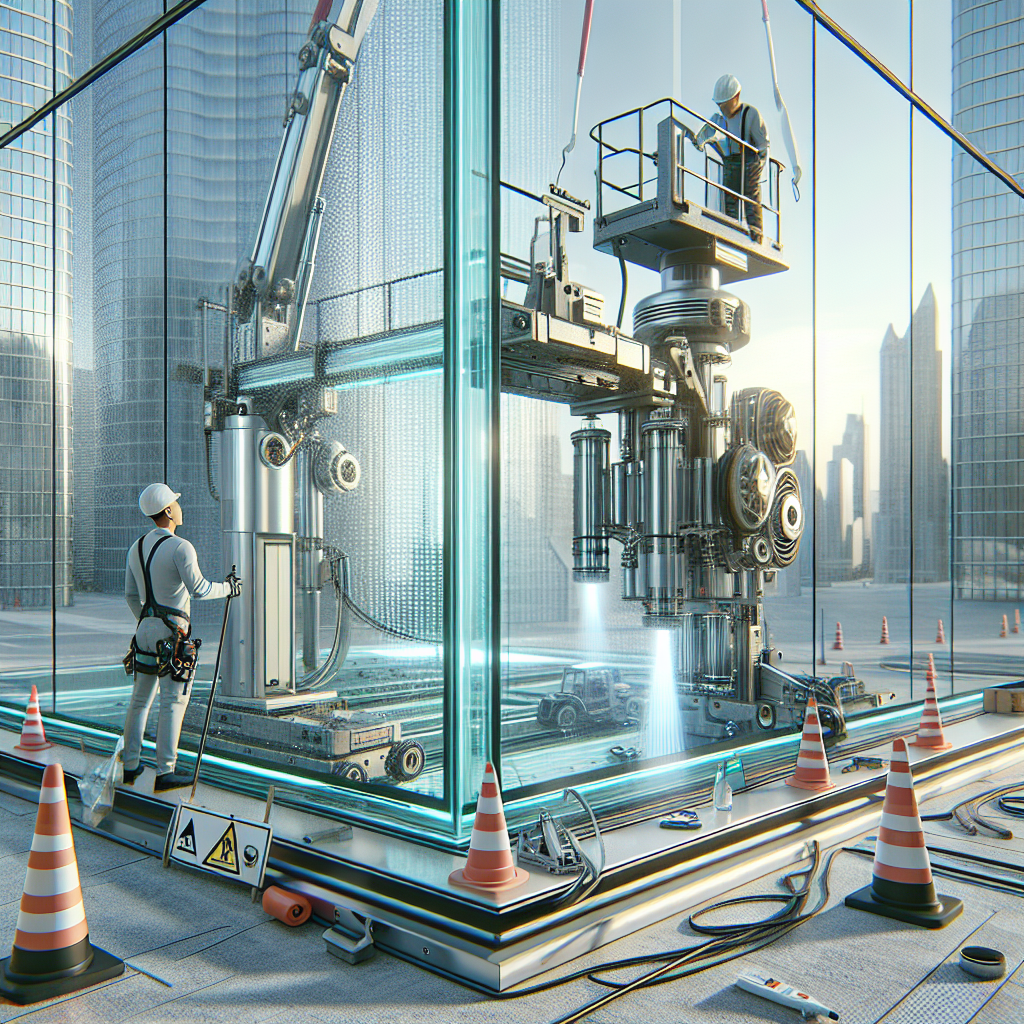
Pneumatic glass lifters have revolutionized the way glass is installed in modern architecture. These innovative machines have streamlined the glass installation process, making it faster, safer, and more efficient. In this article, we will explore the role of pneumatic glass lifters in modern architecture and how they have become the future of glass installation.
One of the main advantages of pneumatic glass lifters is their ability to lift and transport heavy glass panels with ease. These machines use a combination of vacuum suction and compressed air to securely grip the glass and lift it off the ground. This eliminates the need for manual lifting, which can be dangerous and time-consuming. With pneumatic glass lifters, glass panels can be effortlessly moved from one location to another, reducing the risk of accidents and injuries.
Another benefit of pneumatic glass lifters is their versatility. These machines can be used to install glass panels in a variety of settings, including high-rise buildings, shopping malls, and even residential homes. They can handle glass panels of different shapes and sizes, making them suitable for a wide range of architectural designs. Whether it’s a small window or a large glass facade, pneumatic glass lifters can handle the job with precision and efficiency.
In addition to their lifting capabilities, pneumatic glass lifters also offer precise positioning. These machines are equipped with advanced control systems that allow operators to adjust the position of the glass panels with great accuracy. This ensures that the glass is installed perfectly, without any gaps or misalignments. The ability to position the glass panels precisely is crucial in modern architecture, where aesthetics and functionality go hand in hand.
Furthermore, pneumatic glass lifters have significantly reduced the installation time for glass panels. In the past, installing glass required a team of workers and several hours of manual labor. With pneumatic glass lifters, the installation process is much faster and more efficient. These machines can lift and position glass panels in a matter of minutes, saving both time and money. This is particularly beneficial for large-scale projects where time is of the essence.
Moreover, pneumatic glass lifters have also improved the safety of glass installation. The use of these machines eliminates the need for workers to manually handle heavy glass panels, reducing the risk of accidents and injuries. Additionally, the advanced control systems of pneumatic glass lifters ensure that the glass is securely held in place during the installation process, minimizing the chances of breakage or damage.
In conclusion, pneumatic glass lifters have become the future of glass installation in modern architecture. These machines have revolutionized the way glass is installed, making the process faster, safer, and more efficient. With their ability to lift and transport heavy glass panels, their versatility in handling different shapes and sizes, and their precise positioning capabilities, pneumatic glass lifters have become an indispensable tool in the world of architecture. As technology continues to advance, we can expect further improvements in pneumatic glass lifters, making them an even more integral part of the glass installation process.
Pneumatic Glass Lifters: Revolutionizing the Future of High-rise Glass Installation
Pneumatic Glass Lifters: Revolutionizing the Future of High-rise Glass Installation
Glass has become an integral part of modern architecture, with its sleek and transparent design adding a touch of elegance to buildings. However, installing glass in high-rise structures has always been a challenging task. The sheer weight and fragility of glass make it difficult to handle and maneuver. Traditional methods of glass installation often involve the use of cranes and scaffolding, which can be time-consuming and pose safety risks. However, with the advent of pneumatic glass lifters, the future of glass installation is being revolutionized.
Pneumatic glass lifters are innovative devices that use air pressure to lift and transport glass panels. These lifters consist of a vacuum system that creates a suction force, allowing the glass to be securely held in place. The lifters are attached to a crane or other lifting equipment, enabling glass panels to be effortlessly lifted and positioned with precision.
One of the key advantages of pneumatic glass lifters is their ability to handle heavy glass panels. These lifters are designed to lift and transport glass panels weighing several tons, making them ideal for high-rise buildings. The suction cups on the lifters create a strong grip on the glass, ensuring that it remains securely in place during the lifting process. This eliminates the need for additional support structures such as scaffolding, saving time and reducing the risk of accidents.
Another benefit of pneumatic glass lifters is their versatility. These lifters can be used to install glass panels of various shapes and sizes, including curved and irregularly shaped panels. The suction cups can be adjusted to accommodate different glass thicknesses, ensuring a secure grip regardless of the panel’s dimensions. This versatility allows architects and designers to explore new possibilities in glass installation, pushing the boundaries of creativity in modern architecture.
In addition to their lifting capabilities, pneumatic glass lifters also offer enhanced safety features. The vacuum system used in these lifters ensures that the glass panels are held securely in place, minimizing the risk of accidents or damage. The lifters are also equipped with sensors that detect any loss of vacuum pressure, alerting the operator to potential issues. This proactive approach to safety ensures that glass installation is carried out with utmost care and precision.
Furthermore, pneumatic glass lifters contribute to increased efficiency in glass installation. The ease of use and quick setup time of these lifters allow for faster installation, reducing project timelines and costs. The ability to lift and position glass panels with precision also eliminates the need for rework, ensuring a seamless and flawless installation process.
As the demand for glass in architecture continues to grow, the need for efficient and safe glass installation methods becomes paramount. Pneumatic glass lifters offer a solution that addresses these needs, revolutionizing the future of high-rise glass installation. With their ability to handle heavy glass panels, versatility in handling different shapes and sizes, enhanced safety features, and increased efficiency, pneumatic glass lifters are paving the way for a new era in glass installation.
In conclusion, pneumatic glass lifters are transforming the way glass is installed in high-rise buildings. These innovative devices offer a safe, efficient, and versatile solution to the challenges posed by glass installation. As architects and designers continue to push the boundaries of modern architecture, pneumatic glass lifters will play a crucial role in bringing their visions to life. The future of glass installation is here, and it is powered by pneumatic glass lifters.