
Benefits of Using Vacuum Glass Lifters for Glass Transportation
Vacuum Glass Lifters: The Key to Efficient Glass Transport
When it comes to transporting glass, efficiency is key. Glass is a delicate material that requires careful handling to prevent breakage and damage. Traditional methods of glass transportation, such as manual lifting or using cranes, can be time-consuming and risky. That’s where vacuum glass lifters come in. These innovative devices have revolutionized the glass industry by providing a safe and efficient solution for glass transportation.
One of the main benefits of using vacuum glass lifters is their ability to securely hold and lift glass panels of various sizes and shapes. The lifters are equipped with suction cups that create a vacuum seal on the glass surface, ensuring a strong grip. This eliminates the need for manual lifting, reducing the risk of accidents and injuries. With vacuum glass lifters, glass panels can be easily lifted and moved with precision and control.
Another advantage of vacuum glass lifters is their versatility. They can be used for a wide range of glass transportation tasks, from loading and unloading glass from trucks to installing glass panels in buildings. The lifters can be easily adjusted to accommodate different glass sizes and weights, making them suitable for any glass-related project. This versatility not only saves time but also reduces the need for multiple lifting devices, streamlining the glass transportation process.
Efficiency is further enhanced by the speed at which vacuum glass lifters can move glass panels. With traditional methods, it can take a significant amount of time and effort to lift and transport glass. Vacuum glass lifters, on the other hand, can quickly and effortlessly move glass panels from one location to another. This not only increases productivity but also allows for faster project completion, saving both time and money.
In addition to efficiency, vacuum glass lifters also prioritize safety. The suction cups create a secure grip on the glass, minimizing the risk of slippage or breakage during transportation. This is particularly important when dealing with large or heavy glass panels that can be difficult to handle manually. By reducing the risk of accidents and damage, vacuum glass lifters provide a safer working environment for glass workers.
Furthermore, vacuum glass lifters are designed to minimize the physical strain on workers. Manual lifting of glass panels can be physically demanding and can lead to injuries such as back strains or muscle sprains. Vacuum glass lifters eliminate the need for manual lifting, reducing the risk of such injuries. This not only improves worker safety but also increases overall productivity by minimizing downtime due to injuries.
In conclusion, vacuum glass lifters have become the key to efficient glass transport in the glass industry. Their ability to securely hold and lift glass panels of various sizes and shapes, their versatility, and their speed make them an invaluable tool for glass transportation tasks. Moreover, their focus on safety and their ability to minimize physical strain on workers further enhance their appeal. By investing in vacuum glass lifters, glass companies can significantly improve their efficiency, productivity, and worker safety.
How Vacuum Glass Lifters Improve Efficiency in Glass Handling
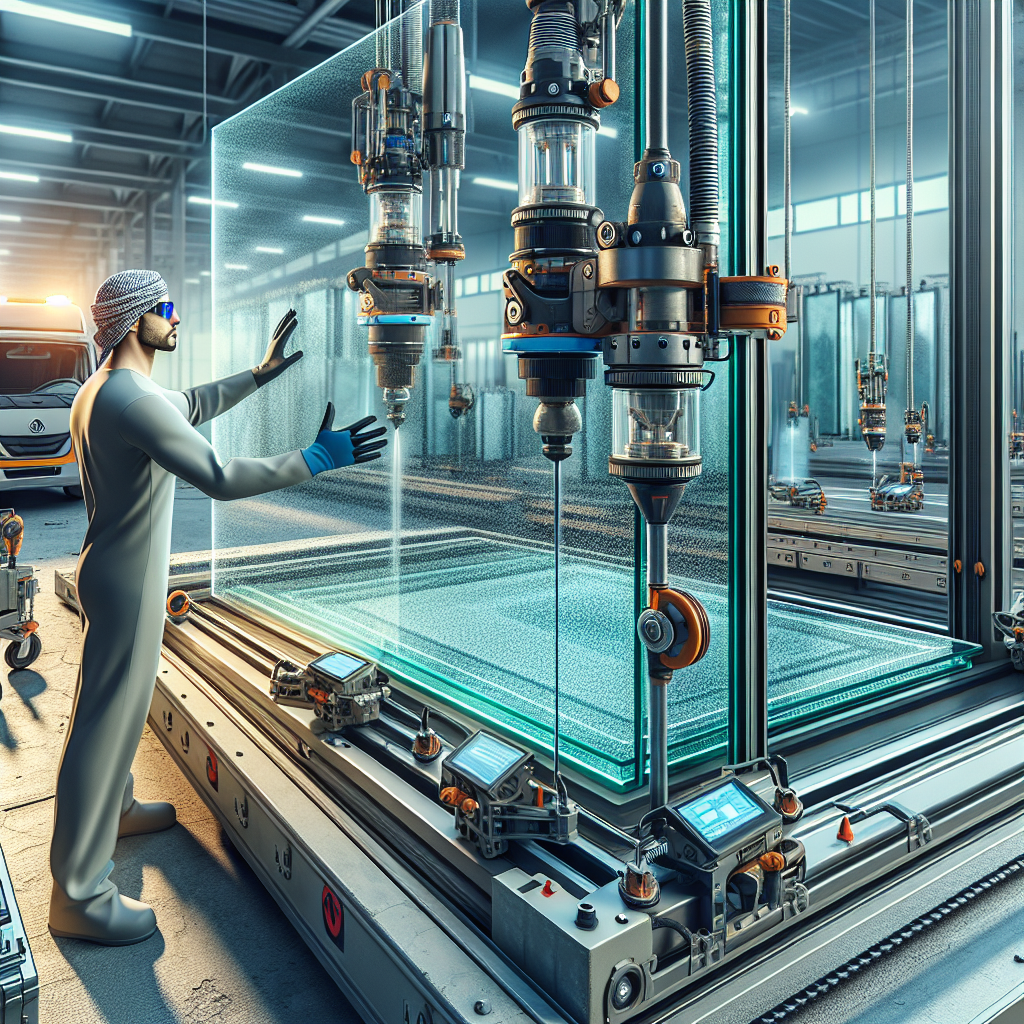
Vacuum glass lifters have revolutionized the way glass is handled and transported in various industries. These innovative devices have become the key to efficient glass transport, offering numerous benefits that enhance productivity and safety. In this article, we will explore how vacuum glass lifters improve efficiency in glass handling.
One of the primary advantages of vacuum glass lifters is their ability to handle heavy and fragile glass panels with ease. Traditional methods of glass handling often involve manual labor, which can be time-consuming and risky. With vacuum glass lifters, the process becomes much simpler and faster. These devices use suction cups to securely grip the glass, eliminating the need for manual lifting and reducing the risk of accidents or breakage.
Furthermore, vacuum glass lifters are designed to be versatile and adaptable to different types of glass. Whether it’s large sheets, curved panels, or irregularly shaped pieces, these lifters can handle them all. This versatility allows for greater flexibility in glass handling operations, as there is no longer a need to invest in multiple specialized lifting equipment.
In addition to their versatility, vacuum glass lifters also offer precise control and maneuverability. They can be easily adjusted to accommodate different glass sizes and weights, ensuring a secure grip at all times. This level of control allows for more efficient and accurate positioning of glass panels, reducing the risk of damage during transport or installation.
Another significant advantage of vacuum glass lifters is their ability to improve workflow efficiency. These devices can significantly reduce the time and effort required to move glass panels from one location to another. With traditional methods, multiple workers may be needed to lift and carry heavy glass sheets. However, with vacuum glass lifters, a single operator can handle the task, freeing up other workers to focus on more critical tasks.
Moreover, vacuum glass lifters can be integrated into existing production lines or workflows seamlessly. They can be easily mounted on cranes, forklifts, or other machinery, allowing for efficient glass handling without disrupting the overall workflow. This integration ensures a smooth and continuous production process, minimizing downtime and maximizing productivity.
Safety is another crucial aspect that vacuum glass lifters address. The suction cups used in these lifters are designed to provide a secure grip on the glass, minimizing the risk of accidents or breakage. Additionally, many vacuum glass lifters are equipped with safety features such as audible alarms and visual indicators to alert operators of any potential issues or malfunctions. These safety measures not only protect the glass but also safeguard the well-being of the workers involved in the handling process.
In conclusion, vacuum glass lifters have become the key to efficient glass transport in various industries. Their ability to handle heavy and fragile glass panels, versatility, precise control, and maneuverability, as well as their impact on workflow efficiency and safety, make them an invaluable tool for glass handling operations. By investing in vacuum glass lifters, businesses can significantly improve their productivity, reduce the risk of accidents or breakage, and streamline their glass handling processes.
Safety Features and Considerations for Vacuum Glass Lifters in Glass Transport
Safety Features and Considerations for Vacuum Glass Lifters in Glass Transport
When it comes to transporting glass, safety is of utmost importance. Glass is a fragile material that requires careful handling to prevent breakage and ensure the well-being of workers. Vacuum glass lifters have emerged as a key tool in the industry, providing a safe and efficient way to move glass from one location to another. In this article, we will explore the safety features and considerations that are essential when using vacuum glass lifters for glass transport.
One of the primary safety features of vacuum glass lifters is their ability to securely hold the glass in place. These lifters use suction cups or pads to create a vacuum seal with the glass surface, ensuring a strong grip. This prevents the glass from slipping or falling during transport, reducing the risk of accidents and injuries. It is crucial to ensure that the vacuum seal is properly maintained and regularly checked to guarantee its effectiveness.
Another important safety consideration is the weight capacity of the vacuum glass lifter. Different lifters have varying weight limits, and it is essential to choose a lifter that can handle the specific weight of the glass being transported. Exceeding the weight capacity can lead to equipment failure and potential accidents. It is advisable to consult the manufacturer’s guidelines and recommendations to determine the appropriate lifter for the job.
In addition to weight capacity, the size and shape of the glass should also be taken into account. Vacuum glass lifters come in various configurations to accommodate different glass sizes and shapes. It is crucial to select a lifter that matches the dimensions of the glass to ensure a secure fit. Using a lifter that is too small or too large can compromise the stability of the glass during transport, increasing the risk of breakage.
Furthermore, the condition of the glass surface is an important factor to consider. Vacuum glass lifters are designed to work effectively on smooth and clean surfaces. Any debris, dirt, or moisture on the glass can hinder the vacuum seal and compromise the lifter’s grip. It is essential to thoroughly clean and inspect the glass surface before using the lifter to ensure optimal performance and safety.
When operating vacuum glass lifters, it is crucial to follow proper lifting techniques and guidelines. Workers should be trained on how to use the lifters correctly, including positioning the lifter on the glass, activating the vacuum seal, and safely maneuvering the glass. It is also important to consider the surrounding environment and potential hazards that may affect the transport process. This includes ensuring there is enough space for maneuvering, avoiding obstacles, and taking precautions to prevent collisions with other objects or workers.
Regular maintenance and inspections are vital to ensure the continued safety and effectiveness of vacuum glass lifters. The lifter’s components, including the suction cups or pads, hoses, and control systems, should be regularly checked for wear and tear. Any damaged or worn parts should be replaced promptly to prevent equipment failure and potential accidents. Additionally, the vacuum system should be tested regularly to ensure its functionality and reliability.
In conclusion, vacuum glass lifters offer a safe and efficient solution for glass transport. However, it is essential to consider the safety features and considerations discussed in this article to ensure the well-being of workers and the integrity of the glass. By selecting the appropriate lifter, maintaining the vacuum seal, following proper lifting techniques, and conducting regular inspections, the use of vacuum glass lifters can significantly enhance the safety and efficiency of glass transport operations.