
Key Factors to Consider When Choosing a Vacuum Glass Lifter Sucker
When it comes to selecting the best vacuum glass lifter sucker for your project, there are several key factors that you need to consider. This article will guide you through these factors, helping you make an informed decision.
First and foremost, you need to consider the weight capacity of the vacuum glass lifter sucker. This is crucial because it determines the maximum weight that the lifter can handle. You should carefully assess the weight of the glass panels or other materials that you will be lifting to ensure that the lifter you choose can handle the load. It is always better to choose a lifter with a higher weight capacity than you actually need, as this provides an added margin of safety.
Another important factor to consider is the size and shape of the glass panels or materials that you will be working with. Vacuum glass lifter suckers come in various sizes and shapes, and it is essential to choose one that is compatible with your specific project requirements. Consider the dimensions and contours of the materials you will be lifting, and select a lifter that can securely grip them without any risk of slippage or damage.
The type of surface that the lifter will be used on is also a crucial consideration. Different vacuum glass lifter suckers are designed for different surfaces, such as smooth, rough, or textured. It is important to choose a lifter that is specifically designed for the surface you will be working on to ensure optimal performance and safety. Using the wrong type of lifter on a particular surface can result in accidents or damage to the materials being lifted.
In addition to surface compatibility, you should also consider the type of material that the vacuum glass lifter sucker is made of. High-quality lifters are typically made of durable materials such as aluminum or stainless steel, which offer excellent strength and longevity. Cheaper lifters made of inferior materials may not be able to withstand heavy use or harsh working conditions, leading to premature wear and tear.
Furthermore, it is essential to consider the safety features of the vacuum glass lifter sucker. Look for features such as a safety lock or release valve that prevents accidental release of the load. Additionally, some lifters come with audible or visual alarms to alert the operator in case of any issues or malfunctions. These safety features are crucial for preventing accidents and ensuring the well-being of the operator and the materials being lifted.
Lastly, you should also consider the ease of use and maneuverability of the vacuum glass lifter sucker. Look for features such as ergonomic handles, adjustable suction cups, and swivel capabilities that make it easier to position and transport the lifter. A user-friendly lifter will not only enhance productivity but also reduce the risk of operator fatigue or injuries.
In conclusion, selecting the best vacuum glass lifter sucker for your project requires careful consideration of several key factors. These include weight capacity, size and shape compatibility, surface and material compatibility, safety features, and ease of use. By taking these factors into account, you can ensure that you choose a lifter that meets your project requirements and provides optimal performance and safety.
Comparing Different Types of Vacuum Glass Lifters for Various Projects
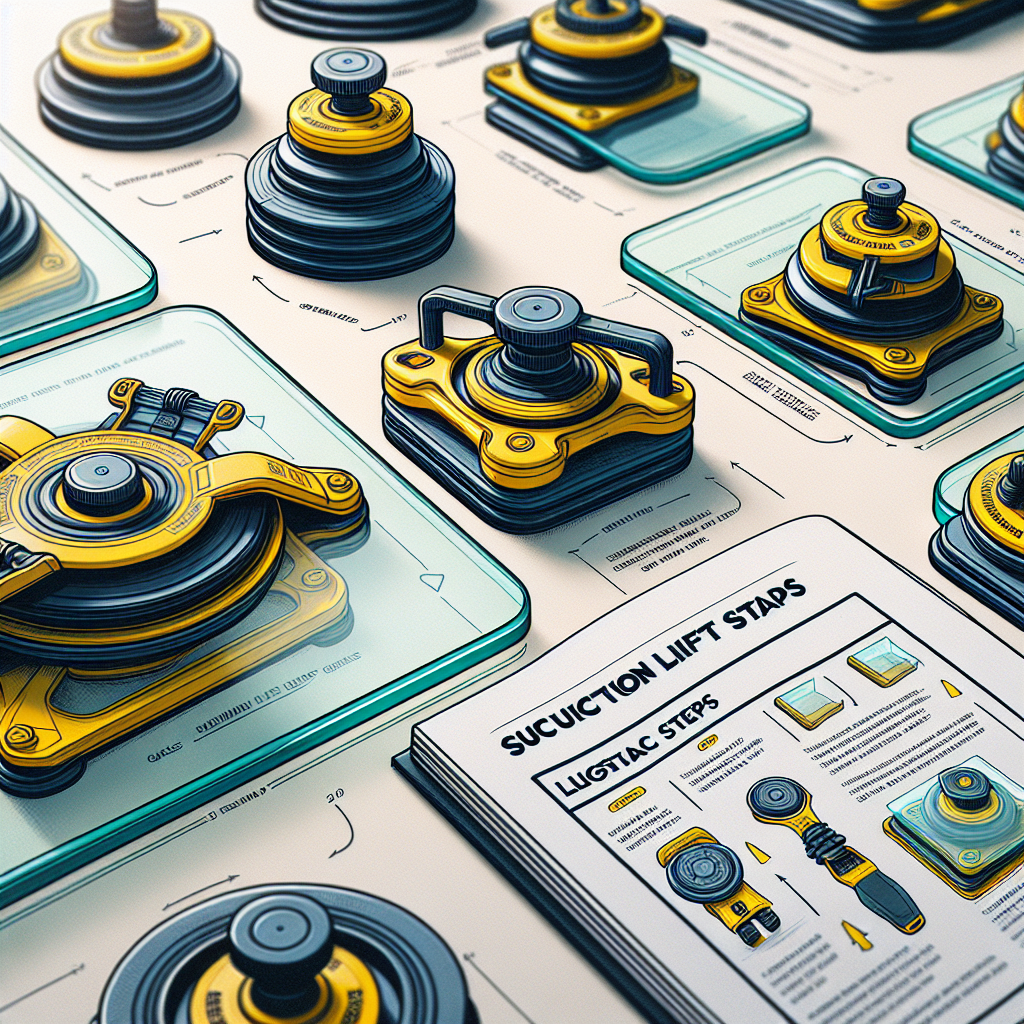
When it comes to selecting the best vacuum glass lifter sucker for your project, it is important to consider the specific requirements of the job at hand. There are various types of vacuum glass lifters available on the market, each designed to meet different needs and specifications. In this article, we will compare different types of vacuum glass lifters for various projects, helping you make an informed decision.
One of the most common types of vacuum glass lifters is the manual hand pump lifter. This type of lifter is operated by manually pumping a handle to create suction. It is a cost-effective option for smaller projects and is easy to use. However, it may not be suitable for larger or heavier glass panels, as it relies on the strength of the operator.
For larger projects or heavier glass panels, a powered vacuum glass lifter may be a better option. These lifters are equipped with an electric or battery-powered pump that creates suction. They are capable of lifting heavier loads and are often more efficient than manual hand pump lifters. However, they can be more expensive and require a power source or battery charging.
Another consideration when selecting a vacuum glass lifter is the type of surface it will be used on. Some lifters are designed specifically for smooth surfaces, such as glass or polished stone. These lifters typically have a flat suction pad that creates a strong seal on the surface. However, they may not be suitable for rough or uneven surfaces, as the suction may not hold.
If you are working with rough or uneven surfaces, a vacuum glass lifter with adjustable suction pads may be a better choice. These lifters allow you to adjust the position and angle of the suction pads to create a secure seal on uneven surfaces. They are often equipped with multiple suction pads to distribute the weight evenly and provide a stronger hold.
In addition to considering the type of surface, it is important to think about the weight capacity of the vacuum glass lifter. Different lifters have different weight capacities, so it is crucial to choose one that can handle the weight of the glass panels you will be working with. It is always better to choose a lifter with a higher weight capacity than you think you will need, to ensure safety and avoid any accidents.
Lastly, it is worth considering the portability and maneuverability of the vacuum glass lifter. If you will be working on multiple projects or need to transport the lifter to different locations, a lightweight and portable option may be more suitable. Look for lifters with ergonomic handles and wheels for easy maneuverability.
In conclusion, selecting the best vacuum glass lifter sucker for your project requires careful consideration of the specific requirements and specifications. Manual hand pump lifters are cost-effective but may not be suitable for larger or heavier glass panels. Powered vacuum glass lifters are more efficient but can be more expensive. Consider the type of surface, weight capacity, and portability of the lifter to make an informed decision. By taking these factors into account, you can ensure that you choose the right vacuum glass lifter for your project, making the lifting process safer and more efficient.
Tips for Ensuring Safety and Efficiency with Your Vacuum Glass Lifter Sucker
When it comes to selecting the best vacuum glass lifter sucker for your project, there are several factors to consider. Not only do you want a tool that is efficient and effective, but you also want to ensure that it is safe to use. In this article, we will provide you with some tips for selecting the best vacuum glass lifter sucker to ensure both safety and efficiency.
First and foremost, it is important to consider the weight capacity of the vacuum glass lifter sucker. Different projects require different lifting capacities, so it is crucial to choose a lifter that can handle the weight of the glass you will be working with. It is always better to choose a lifter with a higher weight capacity than you think you will need, as this will provide an extra margin of safety.
Another important factor to consider is the type of glass you will be working with. Different types of glass have different surface textures and thicknesses, which can affect the performance of the lifter. Some lifters are specifically designed for smooth glass surfaces, while others are better suited for textured or uneven surfaces. Be sure to choose a lifter that is compatible with the type of glass you will be handling to ensure optimal performance.
In addition to weight capacity and glass type, it is also important to consider the power source of the vacuum glass lifter sucker. Some lifters are powered by electricity, while others are powered by compressed air. Electric lifters are generally more convenient and easier to use, as they do not require an external power source. However, they may not be suitable for all projects, especially those in remote locations where access to electricity may be limited. Compressed air lifters, on the other hand, are more versatile and can be used in a wider range of settings. Consider the specific requirements of your project and choose a lifter with the appropriate power source.
Safety should always be a top priority when working with a vacuum glass lifter sucker. Look for lifters that are equipped with safety features such as audible alarms and visual indicators to alert you of any potential issues. Additionally, choose a lifter that has a secure grip on the glass to prevent any accidents or mishaps. Some lifters come with adjustable suction cups that can be customized to fit the size and shape of the glass, providing a more secure hold.
Lastly, consider the overall quality and durability of the vacuum glass lifter sucker. Look for lifters that are made from high-quality materials and have a solid construction. This will ensure that the lifter can withstand the demands of your project and will last for a long time. It is also a good idea to choose a lifter from a reputable manufacturer that offers a warranty or guarantee on their products.
In conclusion, selecting the best vacuum glass lifter sucker for your project requires careful consideration of several factors. Consider the weight capacity, glass type, power source, safety features, and overall quality of the lifter to ensure both safety and efficiency. By taking the time to choose the right lifter, you can ensure that your project goes smoothly and successfully.