
The Benefits of Using a Vacuum Glass Lifter for Workplace Safety
In today’s fast-paced and demanding work environments, workplace safety is of utmost importance. Employers are constantly seeking ways to enhance safety measures and protect their employees from potential hazards. One effective solution that has gained popularity in recent years is the use of a vacuum glass lifter. This innovative tool offers numerous benefits that can significantly improve workplace safety.
First and foremost, a vacuum glass lifter provides a secure and reliable method for handling glass and other fragile materials. Traditional methods of lifting and moving glass often involve manual labor, which can be risky and prone to accidents. With a vacuum glass lifter, the risk of dropping or shattering glass is greatly reduced. The lifter uses suction cups to securely grip the glass, ensuring a firm hold throughout the lifting and moving process. This eliminates the need for employees to physically handle the glass, minimizing the risk of injuries such as cuts and strains.
Furthermore, a vacuum glass lifter allows for precise and controlled movements. The lifter is equipped with adjustable suction cups that can be positioned to match the size and shape of the glass being lifted. This ensures a snug fit and prevents any slippage during transportation. The lifter also offers 360-degree rotation capabilities, allowing for easy maneuverability in tight spaces. These features not only enhance efficiency but also reduce the likelihood of accidents caused by unstable or uncontrolled movements.
Another significant benefit of using a vacuum glass lifter is the reduction in physical strain on employees. Lifting and moving heavy glass panels manually can put a tremendous amount of strain on the back, shoulders, and arms. Over time, this can lead to chronic pain and musculoskeletal disorders. By utilizing a vacuum glass lifter, the physical strain on employees is significantly reduced. The lifter does the heavy lifting, allowing employees to focus on guiding and positioning the glass safely. This not only improves workplace safety but also promotes employee well-being and reduces the risk of work-related injuries.
Additionally, a vacuum glass lifter can increase productivity and efficiency in the workplace. Traditional methods of glass handling often require multiple employees to work together to lift and move heavy panels. This can be time-consuming and may result in delays in completing projects. With a vacuum glass lifter, one employee can easily handle the task, eliminating the need for additional manpower. This frees up other employees to focus on their respective tasks, leading to improved productivity and overall efficiency.
In conclusion, the benefits of using a vacuum glass lifter for workplace safety are undeniable. From providing a secure and reliable method for handling glass to reducing physical strain on employees, this innovative tool offers numerous advantages. By investing in a vacuum glass lifter, employers can enhance workplace safety, improve productivity, and protect their employees from potential hazards. It is a wise investment that not only ensures the well-being of employees but also contributes to the overall success of the organization.
Key Features to Look for in a Vacuum Glass Lifter for Enhanced Workplace Safety
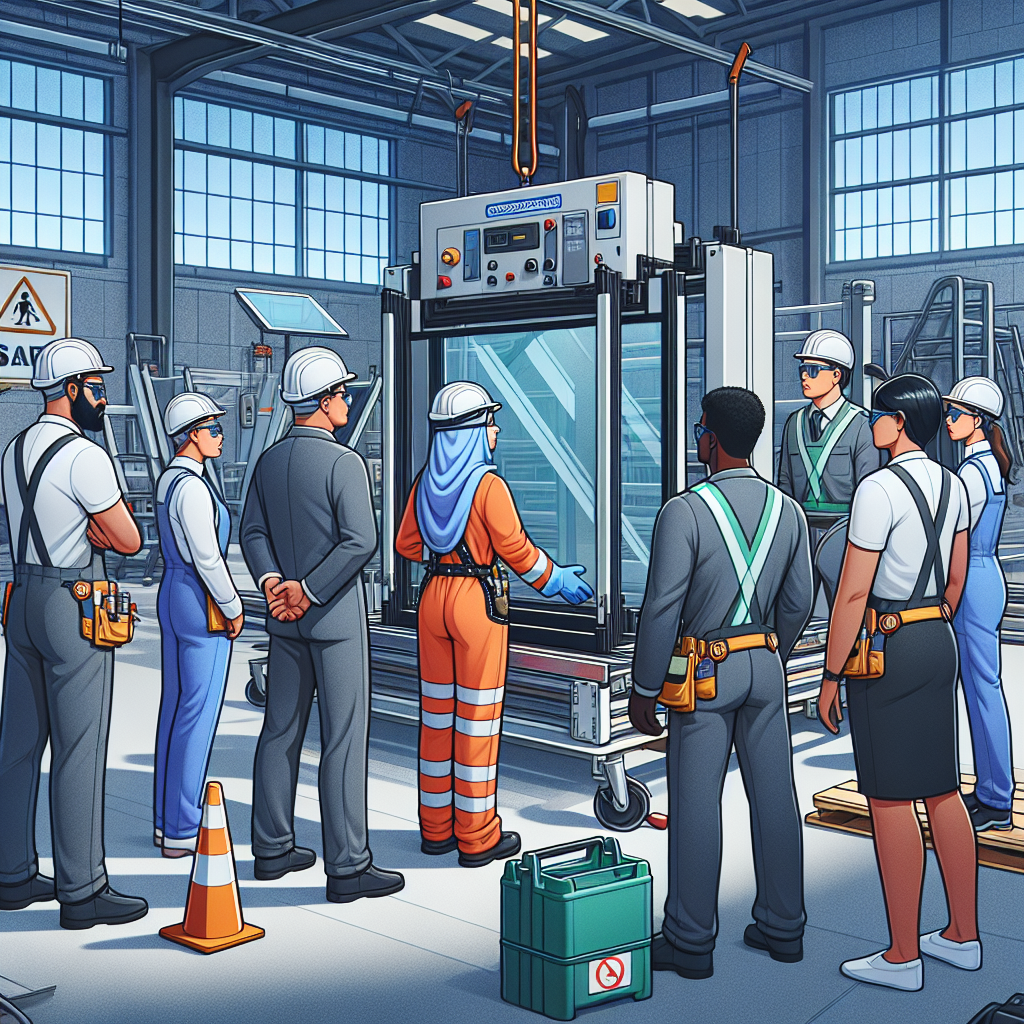
In today’s fast-paced and demanding work environments, workplace safety is of utmost importance. Employers are constantly seeking ways to enhance safety measures and protect their employees from potential hazards. One effective solution that has gained popularity in recent years is the use of a vacuum glass lifter. This innovative tool not only improves efficiency but also significantly reduces the risk of workplace accidents. However, not all vacuum glass lifters are created equal. To ensure maximum safety, it is crucial to consider key features when selecting a vacuum glass lifter.
First and foremost, one must look for a vacuum glass lifter that is equipped with a reliable and powerful vacuum system. The vacuum system is responsible for creating a strong suction force that securely holds the glass in place. A weak or unreliable vacuum system can lead to accidents and injuries, as the glass may slip or fall during lifting. Therefore, it is essential to choose a vacuum glass lifter that has a robust vacuum system, capable of securely gripping the glass even in challenging conditions.
Another important feature to consider is the lifting capacity of the vacuum glass lifter. Different workplaces have varying requirements when it comes to lifting heavy glass panels or windows. It is crucial to select a vacuum glass lifter that can handle the weight of the glass being lifted. Overloading the lifter can lead to equipment failure and potential accidents. Therefore, it is advisable to choose a vacuum glass lifter with a lifting capacity that matches the specific needs of the workplace.
Furthermore, the design and construction of the vacuum glass lifter play a significant role in ensuring workplace safety. A well-designed lifter should have a sturdy frame and high-quality materials that can withstand the demands of daily use. Additionally, it should be ergonomically designed to minimize strain on the operator’s body during lifting operations. A poorly designed lifter can lead to operator fatigue and increase the risk of accidents. Therefore, it is essential to choose a vacuum glass lifter that is built to last and provides optimal comfort and safety for the operator.
In addition to these key features, it is also important to consider the versatility and adaptability of the vacuum glass lifter. Different workplaces may require lifting glass panels of various sizes and shapes. Therefore, it is crucial to select a lifter that can accommodate different types of glass. Look for a lifter that offers adjustable suction cups or interchangeable pads to ensure a secure grip on different surfaces. This versatility allows for greater flexibility in the workplace and reduces the need for multiple lifters.
Lastly, it is advisable to choose a vacuum glass lifter that comes with additional safety features. These may include audible and visual alarms to alert the operator in case of any issues with the vacuum system. Some lifters also have built-in safety mechanisms that prevent accidental release of the glass. These additional safety features provide an extra layer of protection and help minimize the risk of accidents.
In conclusion, a vacuum glass lifter is an excellent tool for enhancing workplace safety. However, it is crucial to select a lifter that possesses key features to ensure maximum safety. Look for a lifter with a reliable vacuum system, appropriate lifting capacity, sturdy construction, ergonomic design, versatility, and additional safety features. By considering these factors, employers can provide a safer working environment for their employees and minimize the risk of workplace accidents.
Step-by-Step Guide on Using a Vacuum Glass Lifter to Improve Workplace Safety
How to Enhance Workplace Safety with a Vacuum Glass Lifter
In any workplace, safety should always be a top priority. Accidents and injuries can not only harm employees but also lead to costly lawsuits and damage a company’s reputation. One area where workplace safety is of utmost importance is when handling heavy and fragile materials, such as glass. Fortunately, there is a tool that can greatly enhance workplace safety in these situations – the vacuum glass lifter.
A vacuum glass lifter is a device specifically designed to lift and transport glass panels, windows, and other similar materials. It works by creating a vacuum seal between the lifter and the glass surface, allowing for secure and controlled lifting. By using a vacuum glass lifter, companies can significantly reduce the risk of accidents and injuries associated with manual glass handling.
To help you understand how to use a vacuum glass lifter effectively, we have prepared a step-by-step guide:
Step 1: Choose the Right Vacuum Glass Lifter
Before you can start using a vacuum glass lifter, it is crucial to select the right one for your specific needs. Consider factors such as the weight and size of the glass panels you will be handling, as well as any additional features you may require. It is also essential to ensure that the lifter meets all safety standards and regulations.
Step 2: Inspect the Glass Surface
Before attaching the vacuum glass lifter, thoroughly inspect the glass surface to ensure it is clean and free from any debris or contaminants. Even small particles can compromise the vacuum seal and lead to accidents. If necessary, clean the glass surface using an appropriate cleaning solution and a lint-free cloth.
Step 3: Position the Vacuum Glass Lifter
Position the vacuum glass lifter in a way that allows for easy access to the glass panel. Make sure the lifter is stable and secure before proceeding. If using a handheld lifter, ensure that you have a firm grip on the handle.
Step 4: Activate the Vacuum
Once the lifter is properly positioned, activate the vacuum by pressing the appropriate button or lever. This will create a seal between the lifter and the glass surface. Check the vacuum gauge to ensure that the seal is secure and that the lifter is ready for lifting.
Step 5: Lift the Glass
With the vacuum seal in place, carefully lift the glass panel using the lifter. Make sure to use proper lifting techniques, such as bending your knees and keeping your back straight. Avoid sudden movements or jerking motions that could cause the glass to shift or break.
Step 6: Transport and Place the Glass
Once the glass panel is lifted, transport it to the desired location using the vacuum glass lifter. Take your time and move slowly to maintain control and stability. When placing the glass, ensure that the surface is level and free from any obstructions that could cause the panel to tip or fall.
Step 7: Release the Vacuum Seal
After the glass panel is safely in place, release the vacuum seal by pressing the appropriate button or lever. This will allow you to detach the lifter from the glass surface without causing any damage. Always double-check that the vacuum seal is fully released before removing the lifter.
By following this step-by-step guide, you can effectively use a vacuum glass lifter to enhance workplace safety when handling glass panels and other fragile materials. Remember to always prioritize safety and provide proper training to employees who will be using the lifter. With the right equipment and knowledge, accidents and injuries can be significantly reduced, creating a safer and more productive work environment.