
Safety Measures to Follow When Using a Vacuum Glass Lifter
Safety Measures to Follow When Using a Vacuum Glass Lifter
When it comes to using a vacuum glass lifter on the job, safety should always be the top priority. These powerful tools are designed to lift and transport heavy glass panels, but if not used correctly, they can pose serious risks to both the operator and those nearby. To ensure a safe working environment, it is essential to follow a set of best practices when using a vacuum glass lifter.
First and foremost, before operating a vacuum glass lifter, it is crucial to receive proper training. This equipment requires specific knowledge and skills to operate safely and effectively. Training should cover topics such as equipment inspection, proper lifting techniques, and emergency procedures. By investing time in training, operators can gain the necessary expertise to handle the vacuum glass lifter with confidence.
One of the most critical safety measures when using a vacuum glass lifter is to inspect the equipment before each use. This includes checking the vacuum pads for any signs of wear or damage, ensuring the vacuum pump is functioning correctly, and inspecting all other components for any potential issues. Any damaged or malfunctioning parts should be replaced immediately to prevent accidents or equipment failure during operation.
Furthermore, it is essential to assess the weight and condition of the glass panels before attempting to lift them. The vacuum glass lifter should only be used on glass panels that are within the specified weight limit and are in good condition. Cracked or damaged glass can be more prone to breakage during lifting, posing a significant safety hazard. Additionally, it is crucial to ensure that the glass panels are clean and free from any debris that could interfere with the vacuum seal.
When operating a vacuum glass lifter, it is important to maintain a clear and organized work area. This includes removing any obstacles or tripping hazards, as well as ensuring that there is enough space for the operator to maneuver the equipment safely. It is also advisable to have a designated spotter or assistant who can help guide the operator and provide an extra set of eyes during the lifting process.
During the lifting operation, it is crucial to use proper lifting techniques to minimize the risk of accidents or injuries. This includes keeping a firm grip on the lifter’s handles, maintaining a stable stance, and using smooth and controlled movements. It is important to avoid sudden jerks or movements that could cause the glass panel to shift or fall.
In addition to these measures, it is essential to have a plan in place for emergencies. This includes knowing how to safely release the vacuum seal in case of a power failure or equipment malfunction. Operators should also be familiar with the proper procedures for lowering the glass panel safely to the ground in the event of an emergency.
In conclusion, using a vacuum glass lifter on the job can greatly improve efficiency and productivity. However, it is crucial to prioritize safety by following a set of best practices. This includes receiving proper training, inspecting the equipment before each use, assessing the weight and condition of the glass panels, maintaining a clear work area, using proper lifting techniques, and having an emergency plan in place. By adhering to these safety measures, operators can ensure a safe and successful operation when using a vacuum glass lifter.
Proper Maintenance and Inspection of Vacuum Glass Lifters
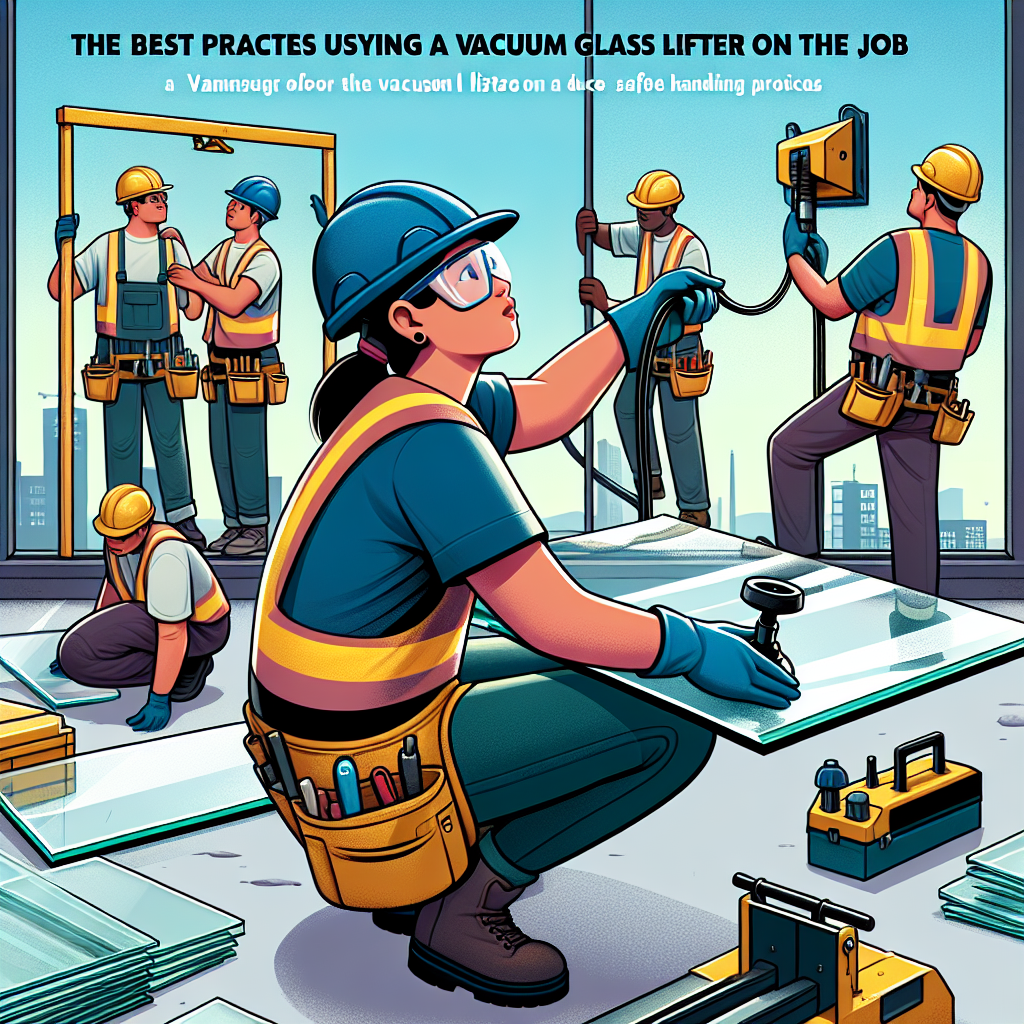
Proper Maintenance and Inspection of Vacuum Glass Lifters
When it comes to using a vacuum glass lifter on the job, it is crucial to ensure that it is properly maintained and inspected. This not only ensures the safety of the operator but also prolongs the lifespan of the equipment. In this section, we will discuss the best practices for maintaining and inspecting vacuum glass lifters.
Regular maintenance is essential for keeping a vacuum glass lifter in optimal condition. One of the first steps in maintenance is to clean the lifter after each use. This involves removing any debris or dirt that may have accumulated on the suction cups or other parts of the lifter. A clean lifter not only looks more professional but also functions more efficiently.
In addition to cleaning, it is important to inspect the lifter for any signs of wear or damage. This includes checking the suction cups for cracks or tears, as well as inspecting the vacuum pump and hoses for any leaks. Any damaged or worn parts should be replaced immediately to prevent accidents or malfunctions.
Another crucial aspect of maintenance is lubrication. Vacuum glass lifters have moving parts that require regular lubrication to ensure smooth operation. It is recommended to follow the manufacturer’s guidelines for lubrication intervals and use the appropriate lubricant for each specific part. Over-lubrication should be avoided as it can attract dirt and debris, leading to potential damage.
Apart from regular maintenance, it is important to conduct thorough inspections of the vacuum glass lifter at regular intervals. This involves a more detailed examination of all components to identify any potential issues. Inspections should be carried out by trained personnel who are familiar with the lifter’s operation and maintenance requirements.
During inspections, attention should be given to the condition of the suction cups. These are the most critical components of a vacuum glass lifter as they are responsible for holding the glass securely. Any signs of wear, such as cracks or tears, should be addressed immediately. Additionally, the vacuum pump and hoses should be inspected for any leaks or damage that could compromise the lifter’s performance.
Furthermore, inspections should include a check of the lifter’s safety features. This includes verifying that all safety switches and sensors are functioning properly. These features are designed to prevent accidents and protect the operator, so it is crucial to ensure they are in good working order.
Lastly, it is important to keep a detailed record of all maintenance and inspection activities. This includes documenting the date of each maintenance task, the parts that were replaced, and any issues that were identified during inspections. This record can be invaluable for tracking the lifter’s performance over time and identifying any recurring problems.
In conclusion, proper maintenance and inspection of a vacuum glass lifter are essential for its safe and efficient operation. Regular cleaning, inspection, and lubrication are key to keeping the lifter in optimal condition. Thorough inspections should be conducted at regular intervals to identify any potential issues. By following these best practices, operators can ensure the longevity and reliability of their vacuum glass lifters.
Tips for Efficient and Effective Use of Vacuum Glass Lifters
The use of vacuum glass lifters has become increasingly popular in the construction and manufacturing industries. These devices are designed to lift and transport large glass panels with ease and efficiency. However, in order to ensure the safe and effective use of a vacuum glass lifter, it is important to follow a set of best practices.
First and foremost, it is crucial to thoroughly inspect the glass lifter before each use. This includes checking the vacuum pads for any signs of wear or damage. If any defects are found, the pads should be replaced immediately to prevent any accidents or mishaps. Additionally, it is important to ensure that the lifter is properly calibrated and functioning correctly. This can be done by testing the lifter on a small piece of glass before attempting to lift a larger panel.
When using a vacuum glass lifter, it is important to always follow the manufacturer’s guidelines and recommendations. This includes adhering to the weight limits specified for the lifter. Overloading the lifter can cause it to malfunction and potentially drop the glass panel, resulting in damage or injury. It is also important to ensure that the lifter is securely attached to the glass panel before attempting to lift it. This can be done by applying a sufficient amount of pressure to create a vacuum seal between the lifter and the glass.
In addition to following the manufacturer’s guidelines, there are several other best practices that can help ensure the efficient and effective use of a vacuum glass lifter. One such practice is to always use two or more lifters when handling larger glass panels. This helps distribute the weight evenly and reduces the risk of the panel slipping or falling. It is also important to use caution when maneuvering the lifter and glass panel, especially in tight or confined spaces. This includes moving slowly and carefully to avoid any sudden movements that could cause the panel to shift or fall.
Another best practice for using a vacuum glass lifter is to always have a backup plan in place. This includes having a secondary lifter or support system available in case the primary lifter fails or malfunctions. It is also important to have a designated area for storing and transporting glass panels when they are not being lifted. This helps prevent any accidental damage or breakage.
Finally, it is important to regularly inspect and maintain the vacuum glass lifter to ensure its continued effectiveness and safety. This includes cleaning the lifter after each use to remove any debris or dirt that could affect its performance. It is also important to regularly check the lifter’s suction cups and seals for any signs of wear or damage. If any issues are found, they should be addressed immediately to prevent any accidents or injuries.
In conclusion, the use of a vacuum glass lifter can greatly improve the efficiency and effectiveness of lifting and transporting large glass panels. However, it is important to follow a set of best practices to ensure the safe and successful use of these devices. This includes thoroughly inspecting the lifter before each use, following the manufacturer’s guidelines, using caution when maneuvering the lifter and glass panel, having a backup plan in place, and regularly inspecting and maintaining the lifter. By following these best practices, users can ensure the safe and efficient use of a vacuum glass lifter on the job.