
Proper Safety Measures for Operating a Pneumatic Glass Lifter
Proper Safety Measures for Operating a Pneumatic Glass Lifter
When it comes to working with heavy and fragile materials like glass, safety should always be the top priority. One tool that has become increasingly popular in the construction industry is the pneumatic glass lifter. This powerful device allows workers to lift and move large glass panels with ease. However, operating a pneumatic glass lifter requires proper safety measures to ensure the well-being of everyone on the job site.
First and foremost, it is crucial to receive proper training before operating a pneumatic glass lifter. This equipment can be complex and requires a certain level of expertise to handle safely. Training should cover not only the operation of the lifter but also the potential hazards and risks associated with working with glass. By understanding the equipment and its limitations, workers can minimize the chances of accidents occurring.
Before using a pneumatic glass lifter, it is essential to inspect the equipment thoroughly. Check for any signs of damage or wear and tear that could compromise its safety. Pay close attention to the suction cups, ensuring they are in good condition and securely attached. Any defects or issues should be reported immediately to the supervisor or maintenance team to prevent accidents during operation.
When operating a pneumatic glass lifter, it is crucial to wear the appropriate personal protective equipment (PPE). This includes safety glasses, gloves, and steel-toed boots. Safety glasses protect the eyes from flying debris or shattered glass, while gloves provide a better grip and protect the hands from cuts or abrasions. Steel-toed boots offer protection against heavy objects that may accidentally fall or roll over the feet.
Before lifting any glass panels, it is essential to assess the weight and dimensions of the load. Pneumatic glass lifters come with weight capacity limits, and exceeding these limits can lead to equipment failure and accidents. Additionally, ensure that the glass panels are properly secured to the lifter using the suction cups. This will prevent them from slipping or falling during transportation.
During the lifting process, it is crucial to maintain a clear and safe path. Remove any obstacles or debris that could impede the movement of the lifter. Communicate with other workers on the job site to ensure they are aware of the glass lifter’s movements and can adjust their positions accordingly. This will help prevent collisions or accidents caused by poor visibility.
When transporting glass panels, it is important to move slowly and steadily. Sudden movements or jerks can cause the glass to shift or break, posing a significant risk to everyone nearby. Use caution when navigating corners or uneven surfaces, as these can also destabilize the load. By maintaining a steady pace and being mindful of the surroundings, workers can ensure the safe transportation of glass panels.
Finally, after completing the task, it is essential to properly store the pneumatic glass lifter. Follow the manufacturer’s instructions for maintenance and storage to prolong the equipment’s lifespan and ensure its safety for future use. Regular inspections and maintenance should be conducted to identify any potential issues and address them promptly.
In conclusion, operating a pneumatic glass lifter on the job site requires proper safety measures to protect workers and prevent accidents. Training, equipment inspection, and the use of personal protective equipment are crucial steps in ensuring safe operation. Assessing the weight and dimensions of the load, maintaining a clear path, and moving slowly and steadily are essential during the lifting and transportation process. By following these safety measures, workers can confidently and safely operate a pneumatic glass lifter, making the job site a secure environment for everyone involved.
Step-by-Step Guide to Operating a Pneumatic Glass Lifter Safely
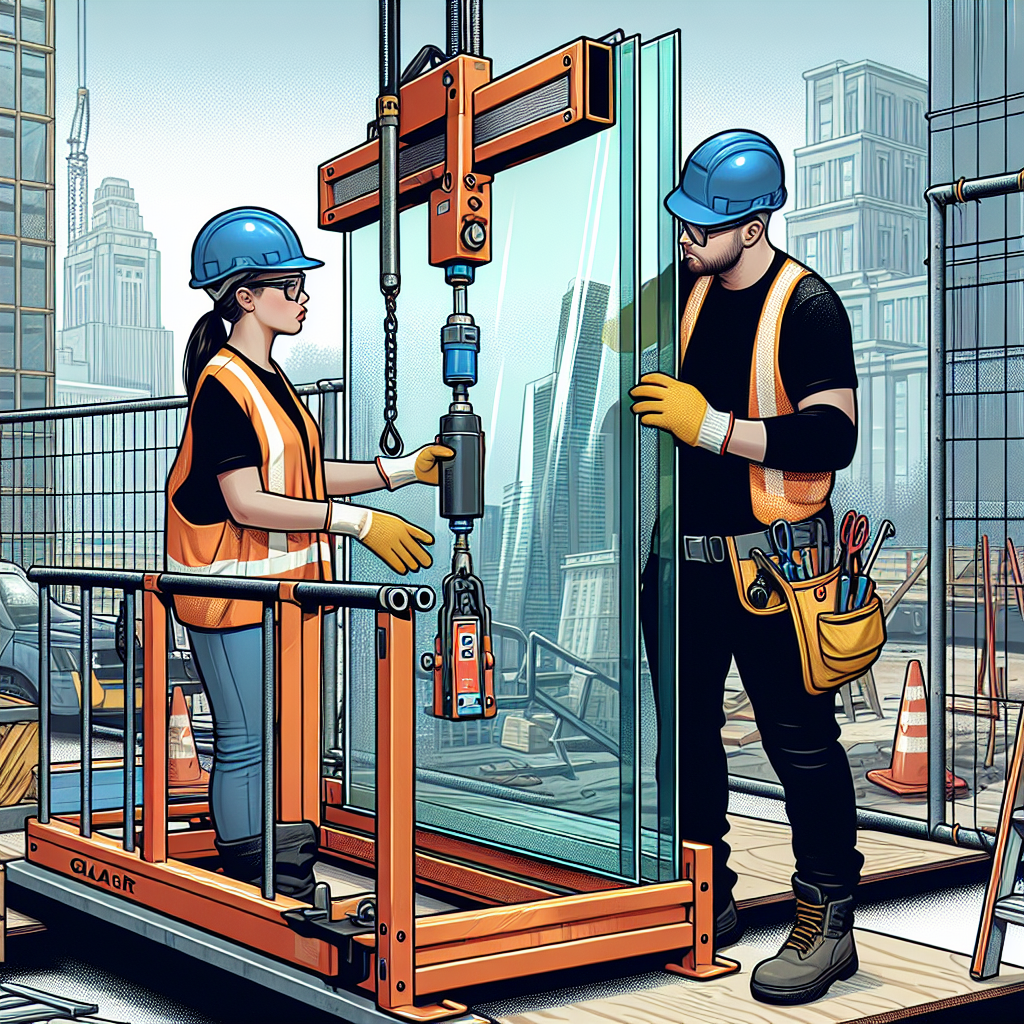
Operating a pneumatic glass lifter on a job site can be a challenging task, but with the right knowledge and precautions, it can be done safely. In this step-by-step guide, we will walk you through the process of safely operating a pneumatic glass lifter.
Step 1: Familiarize Yourself with the Equipment
Before operating a pneumatic glass lifter, it is crucial to familiarize yourself with the equipment. Read the manufacturer’s instructions and safety guidelines thoroughly. Understand the different components of the lifter, such as the vacuum pads, control panel, and safety features. This knowledge will help you operate the lifter effectively and safely.
Step 2: Inspect the Lifter
Before using the pneumatic glass lifter, inspect it for any signs of damage or wear. Check the vacuum pads for cracks or tears and ensure they are securely attached to the lifter. Examine the control panel and make sure all buttons and switches are functioning correctly. If you notice any issues, do not use the lifter and report it to your supervisor immediately.
Step 3: Prepare the Job Site
Preparing the job site is essential for safe operation. Clear the area of any obstacles or debris that could interfere with the lifter’s movement. Ensure there is enough space for the lifter to maneuver without any obstructions. If necessary, use barricades or caution tape to mark off the work area and prevent unauthorized personnel from entering.
Step 4: Position the Glass Lifter
Positioning the glass lifter correctly is crucial for safe operation. Place the lifter on a stable and level surface, ensuring it is securely anchored. If the lifter has adjustable legs, adjust them to the appropriate height for the task at hand. Make sure the lifter is positioned close enough to the glass to create a secure vacuum seal but not too close to risk damaging the glass.
Step 5: Test the Vacuum Seal
Before lifting the glass, test the vacuum seal to ensure it is secure. Engage the vacuum pump and observe the vacuum gauge to ensure it reaches the recommended level. Inspect the vacuum pads to ensure they are firmly attached to the glass. Gently tug on the glass to check if it is securely held in place. If the vacuum seal fails or feels weak, do not proceed with lifting the glass and troubleshoot the issue.
Step 6: Lift the Glass
Once you have confirmed a secure vacuum seal, you can proceed with lifting the glass. Use the lifter’s control panel to activate the lifting mechanism slowly. Monitor the glass as it is being lifted and ensure it remains stable. If you notice any signs of instability or shifting, stop the lifting process immediately and assess the situation. It is crucial to lift the glass smoothly and steadily to avoid any sudden movements that could cause accidents.
Step 7: Transport and Place the Glass
After lifting the glass, carefully transport it to the desired location. Use caution when maneuvering the lifter and avoid sudden movements or jerks. Once you have reached the destination, lower the glass gently and ensure it is placed securely. Double-check the vacuum seal before releasing the glass from the lifter.
In conclusion, operating a pneumatic glass lifter safely requires proper knowledge, preparation, and attention to detail. By following this step-by-step guide, you can ensure the safe operation of a pneumatic glass lifter on the job site. Remember to always prioritize safety and report any issues or concerns to your supervisor.
Common Mistakes to Avoid When Using a Pneumatic Glass Lifter on the Job Site
Common Mistakes to Avoid When Using a Pneumatic Glass Lifter on the Job Site
When it comes to working with glass on a job site, safety should always be the top priority. One tool that can greatly assist in handling glass is a pneumatic glass lifter. This powerful device uses compressed air to lift and move heavy glass panels, making it easier and safer for workers. However, there are some common mistakes that can occur when using a pneumatic glass lifter that can lead to accidents and injuries. In this article, we will discuss these mistakes and provide tips on how to avoid them.
One of the most common mistakes when using a pneumatic glass lifter is not properly inspecting the equipment before use. It is crucial to thoroughly check the lifter for any signs of damage or wear and tear. This includes inspecting the hoses, fittings, and suction cups. Any damaged or worn parts should be replaced immediately to ensure the lifter functions properly and safely.
Another mistake to avoid is not properly securing the glass panels to the lifter. It is essential to ensure that the suction cups are securely attached to the glass and that there are no leaks. This can be done by applying a small amount of soapy water to the suction cups and checking for any bubbles. If bubbles are present, it indicates a leak and the cups should be reattached or replaced.
Furthermore, it is important to avoid overloading the pneumatic glass lifter. Each lifter has a maximum weight capacity that should not be exceeded. Exceeding this capacity can cause the lifter to malfunction and potentially drop the glass panel, leading to serious injuries. Always check the weight of the glass panel before using the lifter and make sure it falls within the recommended weight limit.
In addition, not properly positioning the lifter can also lead to accidents. It is crucial to ensure that the lifter is positioned directly above the glass panel before lifting. This will help distribute the weight evenly and prevent the glass from shifting or falling during the lifting process. Take the time to carefully position the lifter and double-check its alignment before lifting the glass.
Another mistake to avoid is not properly training workers on how to use the pneumatic glass lifter. Operating this equipment requires specific knowledge and skills. Workers should be trained on how to inspect and maintain the lifter, how to properly secure the glass panels, and how to safely operate the lifter. Providing thorough training will help prevent accidents and ensure that workers are confident and competent in using the lifter.
Lastly, it is important to avoid rushing when using a pneumatic glass lifter. Taking the time to properly inspect the lifter, secure the glass panels, and position the lifter will greatly reduce the risk of accidents. Rushing through these steps can lead to mistakes and potentially dangerous situations. Always prioritize safety over speed when using a pneumatic glass lifter.
In conclusion, using a pneumatic glass lifter can greatly improve safety and efficiency on a job site. However, it is important to avoid common mistakes that can lead to accidents and injuries. Thoroughly inspecting the lifter, properly securing the glass panels, avoiding overloading, positioning the lifter correctly, providing proper training, and avoiding rushing are all essential steps to ensure safe operation of a pneumatic glass lifter. By following these tips, workers can confidently and safely handle glass panels on the job site.