
The Advantages of Manual Glass Lifters: A Historical Perspective
The Advantages of Manual Glass Lifters: A Historical Perspective
Glass lifters have come a long way since their inception, evolving from manual devices to the more advanced pneumatic technology we see today. However, it is important to acknowledge the advantages that manual glass lifters offered during their time, as they played a crucial role in shaping the development of this technology.
In the early days, manual glass lifters were the go-to choice for handling glass panels. These devices were simple in design, consisting of a handle and suction cups attached to a frame. The operator would manually position the lifter on the glass surface, creating a vacuum seal by pumping a lever or pressing a button. Once the seal was established, the lifter could be used to lift and transport the glass panel.
One of the key advantages of manual glass lifters was their simplicity. They were easy to operate and required minimal training. This made them accessible to a wide range of users, from construction workers to glaziers. Additionally, manual lifters were lightweight and portable, allowing for easy transportation and maneuverability on job sites.
Another advantage of manual glass lifters was their versatility. They could be used on various types of glass surfaces, including flat, curved, and textured panels. This made them a valuable tool in industries such as construction, architecture, and automotive manufacturing. Manual lifters were also capable of handling different sizes and weights of glass, providing flexibility in their applications.
Furthermore, manual glass lifters offered a high level of control and precision. The operator had direct contact with the lifter, allowing for a tactile understanding of the glass panel’s movement. This enabled them to make adjustments and ensure the glass was positioned accurately. The ability to control the lifter manually was particularly beneficial when working in tight spaces or challenging environments.
Despite these advantages, manual glass lifters had their limitations. They required physical effort from the operator, which could be tiring and time-consuming, especially when dealing with large or heavy glass panels. Additionally, manual lifters were limited in their lifting capacity, making them unsuitable for certain applications that required handling extremely heavy or oversized glass.
As technology advanced, the limitations of manual glass lifters led to the development of pneumatic glass lifters. These devices utilize compressed air to create the vacuum seal, eliminating the need for manual pumping or button pressing. Pneumatic lifters are also equipped with additional features such as adjustable suction cups and automatic release mechanisms, further enhancing their efficiency and ease of use.
In conclusion, manual glass lifters played a significant role in the evolution of glass lifter technology. They offered simplicity, versatility, control, and precision, making them a valuable tool in various industries. However, their limitations paved the way for the development of more advanced pneumatic lifters. These newer devices offer increased lifting capacity, improved efficiency, and enhanced safety features. As technology continues to advance, it will be interesting to see how glass lifter technology evolves further, providing even more benefits and possibilities for users in the future.
Exploring the Transition: From Manual to Pneumatic Glass Lifters
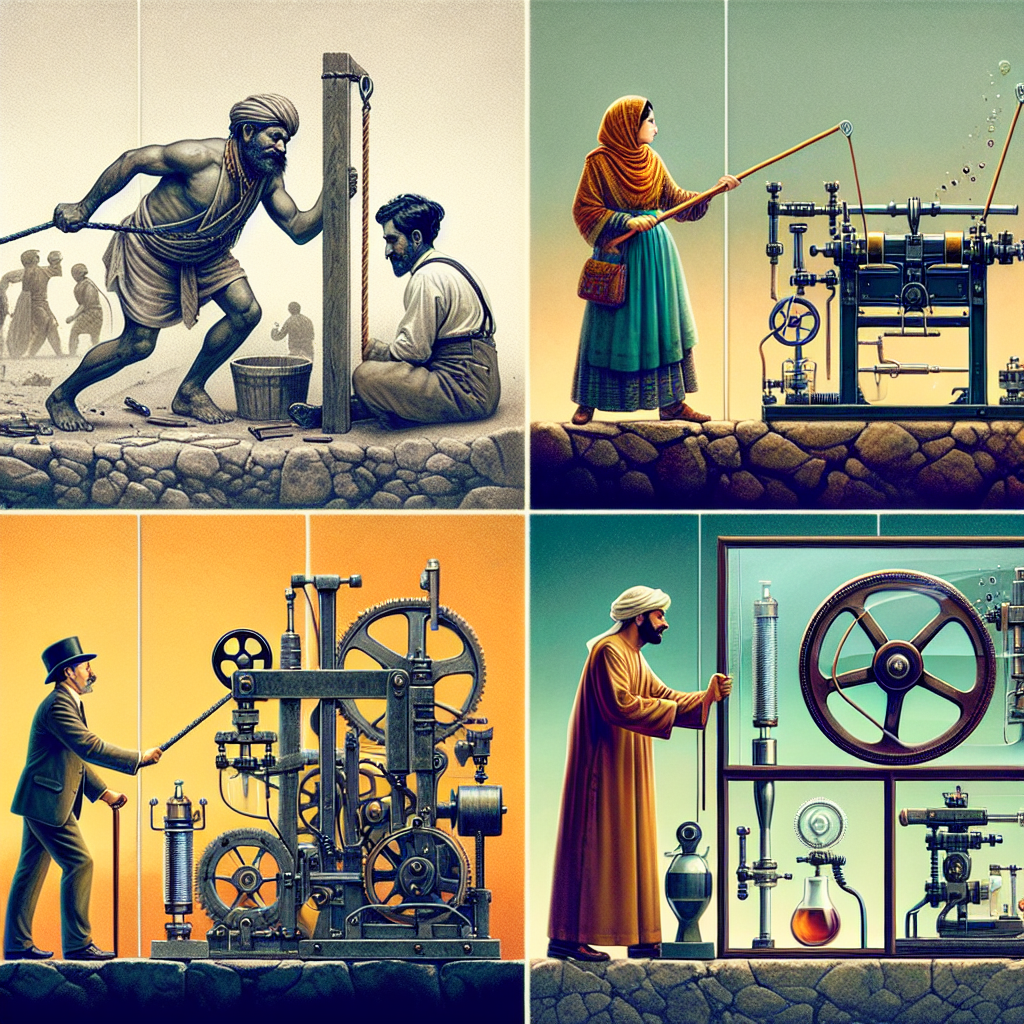
The evolution of glass lifter technology has revolutionized the way glass is handled and installed in various industries. In the past, manual glass lifters were the norm, requiring significant physical effort and posing safety risks. However, with advancements in technology, pneumatic glass lifters have emerged as a safer and more efficient alternative.
Manual glass lifters were widely used in the construction industry for many years. These devices consisted of a metal frame with suction cups attached to it. Workers would manually position the suction cups onto the glass surface and then use their physical strength to lift and maneuver the glass into place. While this method was effective to some extent, it had several limitations.
One of the main drawbacks of manual glass lifters was the physical strain they placed on workers. Lifting heavy glass panels required significant strength and endurance, which often led to fatigue and injuries. Moreover, the manual operation of these lifters made it difficult to achieve precise positioning, resulting in potential damage to the glass or surrounding structures.
Recognizing these limitations, engineers and manufacturers began exploring alternative solutions. This led to the development of pneumatic glass lifters, which utilize air pressure to lift and move glass panels. Pneumatic lifters consist of a vacuum pump, a control valve, and a series of suction cups. When activated, the vacuum pump creates a vacuum within the cups, allowing them to securely attach to the glass surface.
The transition from manual to pneumatic glass lifters has brought numerous benefits to the industry. Firstly, pneumatic lifters significantly reduce the physical strain on workers. The use of air pressure eliminates the need for manual lifting, allowing workers to handle glass panels effortlessly. This not only improves worker safety but also increases productivity by reducing fatigue and the risk of injuries.
Furthermore, pneumatic glass lifters offer enhanced precision and control during glass installation. The control valve allows operators to adjust the suction force, ensuring a secure grip on the glass without causing damage. This level of control is particularly crucial when working with delicate or expensive glass panels, as it minimizes the risk of accidents or breakages.
Another advantage of pneumatic lifters is their versatility. These devices can be easily attached to various types of lifting equipment, such as cranes or forklifts, making them suitable for a wide range of applications. Whether it’s installing glass windows in high-rise buildings or handling large glass sheets in manufacturing facilities, pneumatic lifters provide a flexible and efficient solution.
In conclusion, the transition from manual to pneumatic glass lifters has revolutionized the glass handling industry. The physical strain and safety risks associated with manual lifters have been significantly reduced, thanks to the use of air pressure in pneumatic lifters. The enhanced precision, control, and versatility offered by these devices have made glass installation safer and more efficient. As technology continues to advance, it is likely that further improvements will be made in glass lifter technology, further enhancing the industry’s capabilities.
The Future of Glass Lifter Technology: Innovations in Pneumatic Systems
The future of glass lifter technology is rapidly evolving, with innovations in pneumatic systems leading the way. Pneumatic glass lifters offer numerous advantages over their manual counterparts, making them the preferred choice for many industries. This article will explore the evolution of glass lifter technology and the benefits of pneumatic systems.
Glass lifters have come a long way since their inception. In the early days, manual glass lifters were the norm. These devices required physical strength and exertion to lift and transport heavy glass panels. While they served their purpose, manual glass lifters had limitations in terms of efficiency and safety.
As technology advanced, so did glass lifter technology. The introduction of hydraulic systems revolutionized the industry. Hydraulic glass lifters utilized fluid power to lift and move glass panels, reducing the physical strain on workers. This innovation greatly improved efficiency and safety, but there were still limitations to be addressed.
Enter pneumatic glass lifters. Pneumatic systems use compressed air to create the lifting force, eliminating the need for hydraulic fluids. This not only reduces the risk of fluid leaks and contamination but also makes pneumatic glass lifters more environmentally friendly. Additionally, pneumatic systems are more compact and lightweight, allowing for greater maneuverability in tight spaces.
One of the key advantages of pneumatic glass lifters is their versatility. These systems can be easily adapted to handle a wide range of glass sizes and shapes. With adjustable suction cups and lifting arms, pneumatic glass lifters can securely grip and transport glass panels of various dimensions. This flexibility is particularly beneficial in industries such as construction and manufacturing, where glass panels come in different sizes and shapes.
Another significant advantage of pneumatic glass lifters is their enhanced safety features. These systems are equipped with sensors and alarms that alert operators to any potential issues, such as loss of vacuum or excessive load. This early warning system helps prevent accidents and ensures the safety of both workers and the glass panels being lifted. Additionally, pneumatic glass lifters have built-in fail-safe mechanisms that prevent sudden drops in case of power failure or other emergencies.
Efficiency is another area where pneumatic glass lifters excel. These systems are designed to minimize downtime and maximize productivity. With faster lifting and lowering speeds, pneumatic glass lifters can significantly reduce the time required to complete glass installation or replacement projects. This increased efficiency translates into cost savings for businesses and shorter project timelines.
In conclusion, the future of glass lifter technology lies in pneumatic systems. These innovative devices offer numerous advantages over manual and hydraulic lifters. From their versatility and enhanced safety features to their efficiency and environmental friendliness, pneumatic glass lifters are revolutionizing the industry. As technology continues to advance, we can expect further innovations in pneumatic systems, making glass lifting and transportation even more efficient and safe.